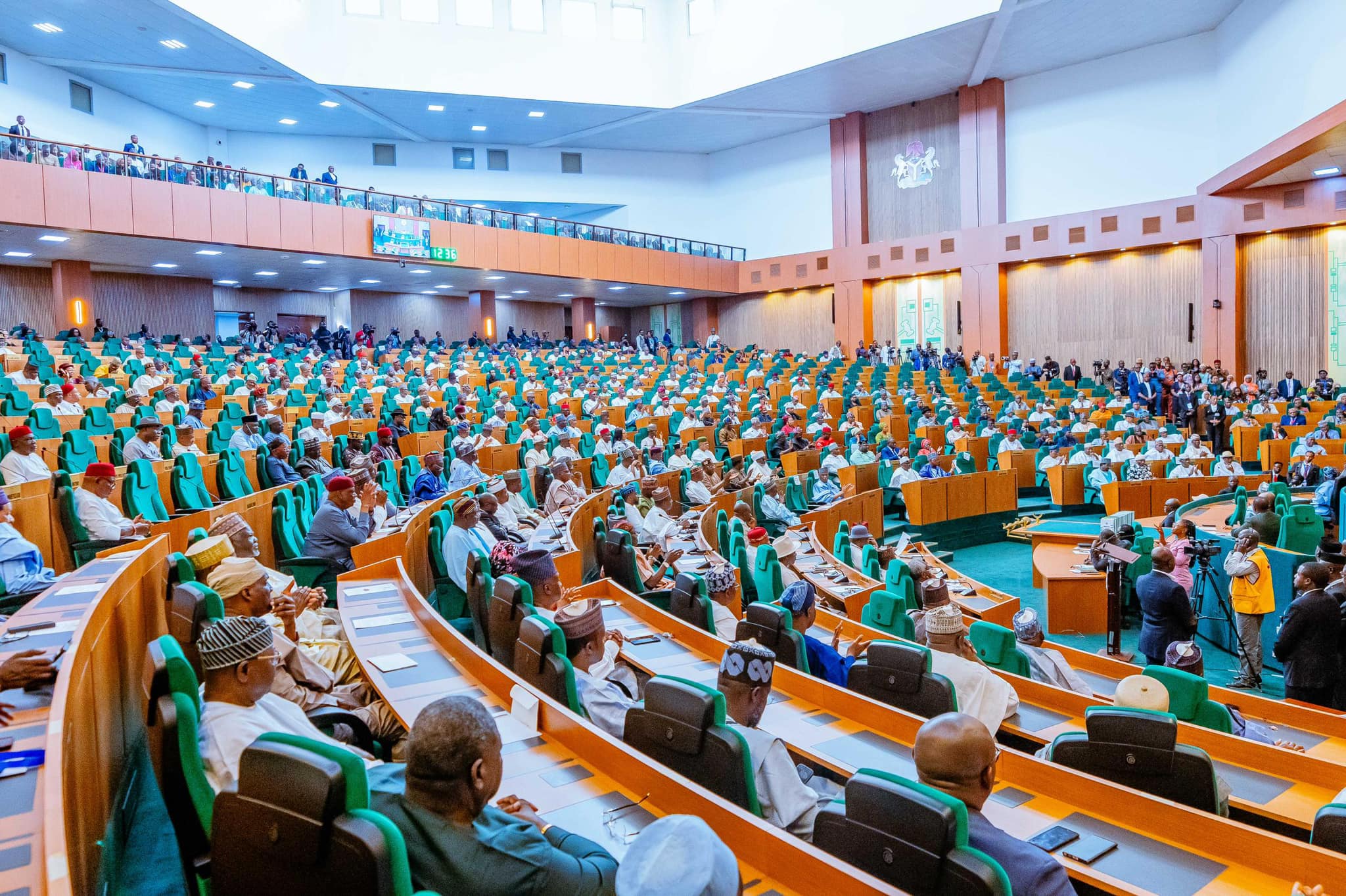
The House of Representatives Special Committee on Crude Oil Theft has called for a special court to deal with crude oil thieves and other saboteurs. They said that current laws and the normal court system have not stopped these criminals.
This proposal came up on Thursday during a meeting with stakeholders. The committee is looking to create stronger ways to fight crude oil theft, pipeline vandalism, and other crimes affecting Nigeria's oil and gas industry.
Chair of the committee, Alhassan Doguwa, pointed out that Nigeria's laws on oil-related crimes are outdated. Many of these laws date back to military rule. He said the weak penalties in these laws have encouraged criminal groups that disrupt oil production and threaten national security.
Doguwa said that the committee and stakeholders agreed on the need to update existing laws and remove legal barriers that make it hard to prosecute offenders. "The global oil and gas economy is now in an advanced stage. Virtually all oil-producing countries are making progress because they have provided effective legal instruments to address their challenges. For this reason, we believe Nigeria should also review some of its laws," he said.
He explained that the proposed reforms would not change the Petroleum Industry Act (PIA). This law mainly deals with business in the petroleum sector, not the crimes related to crude oil theft. He warned that unless old laws are replaced with modern ones, courts will keep using outdated laws when handling serious crimes in the oil industry.
Doguwa mentioned that the committee would work with the Office of the National Security Adviser (ONSA) to fight crude oil theft. He warned that continued attacks on oil infrastructure could harm Nigeria's oil production targets and revenue goals.
The committee also expressed concern over the absence of the Nigerian Upstream Petroleum Regulatory Commission (NUPRC) at the meeting. Doguwa called the regulator's lack of attendance disappointing, given its key role in overseeing upstream petroleum activities.
He shared that the committee has instructed its clerk to formally summon the commission to appear before lawmakers. "It was rather unfortunate that some of the critical regulatory agencies in the oil and gas sector, particularly the NUPRC, neither attended nor sent representatives," he said.
Beyond pushing for tougher penalties, Doguwa said lawmakers are looking into creating a dedicated court for crude oil theft and related crimes. He noted that cases of oil theft often take too long in the regular court system, allowing suspects to escape justice.
"We have also recommended in previous bills before the House the possibility of establishing a special court for these kinds of crimes because the crimes themselves are special," he said.
Cyril Hart, a committee member from Rivers, added that their task goes beyond addressing illegal bunkering. It includes ensuring Nigeria gets the most value from its oil resources. He said if companies with licenses fail to develop oil blocks on time, it is also economic sabotage because these resources belong to Nigerians.


Hart raised concerns about international oil companies pulling out of Nigeria. He warned that local firms buying these assets might not have the money needed to keep production going in this expensive sector. He stressed that lawmakers must ensure operators have the resources to maximize output from Nigeria’s 38 billion barrels of crude oil reserves.
Nuhu Ribadu, representing the National Security Adviser, had Goodluck Ilajufi, the Director of Energy Security at ONSA, speak on their progress against crude oil theft. He said security agencies have made strides but need stronger laws to impose harsher penalties on offenders.
Ilajufi pointed out that while pipeline failures were blamed for crude oil losses before, now organized crime is a major threat to production. He said the current punishment does not match the seriousness of the crimes. He shared cases where convicted criminals received light sentences, even having the option to pay fines as low as ₦100,000, calling these penalties ineffective.
He said some people plead guilty knowing the punishment will be small. He urged lawmakers to change the Miscellaneous Offences Act, especially Sections 107 and 118, to strengthen penalties against pipeline vandals and those involved in oil product adulteration. "If these laws are not strengthened, the deterrent effect will remain weak," he said.
The Nigeria Security and Civil Defence Corps (NSCDC) also supported the idea of a special court. David Idowu, the Assistant Commandant-General (Operations), said weak laws have hurt the fight against crude oil theft, despite many arrests by security agencies.
He recalled a time when a legal officer was upset after a court gave a light sentence to a convicted criminal. Idowu said special courts would ensure both direct offenders and those funding oil theft get punishments that fit their crimes.
CSP Idris Abdullahi Mohammed from the Nigeria Police Force’s Petroleum and Illegal Bunkering Prevention Unit confirmed that the police are committed to fighting crude oil theft. He said they will work with other security agencies and stakeholders.
Nigeria has faced serious issues with crude oil theft, illegal refining, and pipeline vandalism, especially in the Niger Delta. Organized criminal groups continue to steal crude from pipelines and production sites.
These activities have badly hurt Nigeria's oil output, damaged important infrastructure, caused severe environmental harm, and cost the government billions in lost revenue. The continued losses have made it hard for Nigeria to meet its OPEC production quota, weakened foreign earnings, and discouraged investment in the oil sector. Despite military operations and increased monitoring of oil facilities, this illegal trade remains a major challenge for many governments.

Drop your comment
No comments yet — be the first to drop the gist 👇