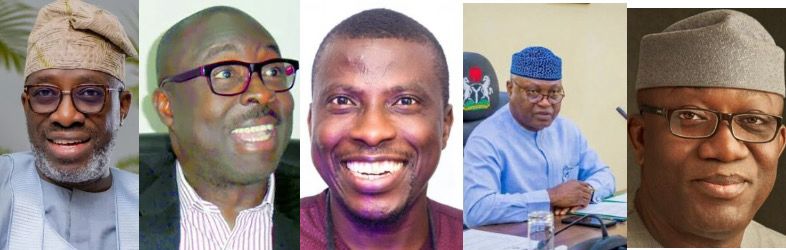
As Ekiti voters get ready to choose a new governor this Saturday, a surprising thing has happened. All four former governors of the state are backing the current governor, Biodun Oyebanji, in a way that has never happened before.
Since Ekiti was created in 1996, this is the first time Niyi Adebayo, Ayodele Fayose, Segun Oni, and Kayode Fayemi have all publicly supported the same candidate. In a state known for its fierce political battles, this is a big deal. It suggests that this election is more about judging Mr Oyebanji's performance than a typical political fight.
But even with this show of unity, a big question remains: How much power do these former governors still have? Can their support really change the outcome of the election?
Niyi Adebayo: The First Governor
Niyi Adebayo has a special place in Ekiti's political story. He was the state’s first elected governor in the Fourth Republic, serving from 1999 to 2003. His father, Adeyinka Adebayo, was a military governor in the old Western State. During his time, Mr Adebayo laid down many of the systems that other governments have built on.
Although he has stepped back from active politics, he is still highly respected. His influence isn't measured by rallies but by the respect he has among traditional rulers, professionals, and older members of the political community. His government helped stabilize the state, which was newly created and previously run by the military.
Like many leaders, he faced challenges. He lost his re-election bid in 2003 due to public dissatisfaction with the economy and governance. Today, experts say his endorsement is valuable. For many conservative voters, his backing shows that Mr Oyebanji continues the state’s progressive tradition.
Ayo Fayose: The People’s Choice
If Adebayo is about authority, Ayodele Fayose is all about connecting with the people. Few former governors are as well-known to average Ekiti residents as he is. He served two terms, first from 2003 to 2006 and again from 2014 to 2018, and built his political brand on engaging directly with the public.
His time in office is remembered for road projects, social programs, and being accessible to citizens. But he has also faced controversies, including political fights and his impeachment during his first term, which was later overturned by the court.
His support for Mr Oyebanji has attracted attention. Despite being a PDP leader, he has openly backed the APC governor, stating that performance matters more than party lines. Recently, on a radio show, he said, “Ekiti comes first before any political affiliation. We were Ekitis before any political party. If you believe in me and believe I represent your interests, come out on June 20 and vote for Governor Biodun Oyebanji to complete his second term. He is a gentleman who has performed very well.”
Fayose dismissed claims that his support was for personal gain, insisting it was based on the governor’s achievements. He plans to campaign in all three senatorial districts for Mr Oyebanji.
Segun Oni: The Unifier
Segun Oni’s time as governor was short but his impact remains. He governed from 2007 to 2010 before losing to Kayode Fayemi after a legal battle. His time might not have been officially recognized, but he is known for his calm and inclusive political style.
His government focused on education and rural development. Babatunde Kolawole, a lawyer and APC member, describes him as a quiet but effective leader. “Segun Oni was a quiet governor. That doesn’t mean he wasn’t working. He wasn’t as loud as Fayose, but he was effective,” he said.
Despite changing parties over the years, Mr Oni has stayed relevant and is now one of the most vocal supporters of Mr Oyebanji’s re-election. He believes Mr Oyebanji could be the first governor in Ekiti to win two consecutive terms.
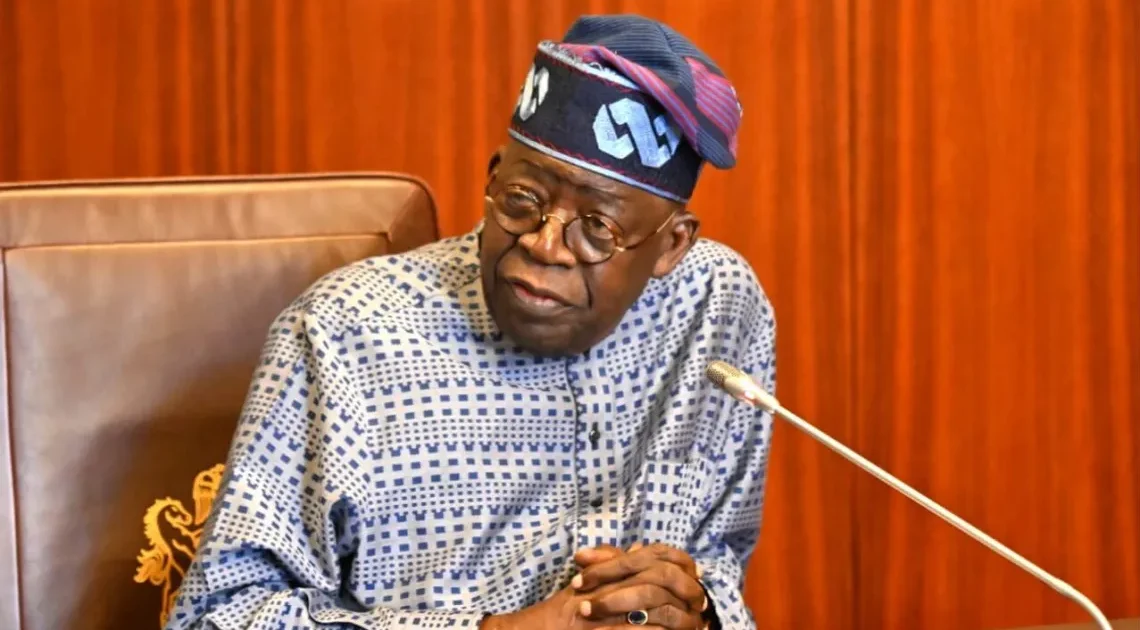
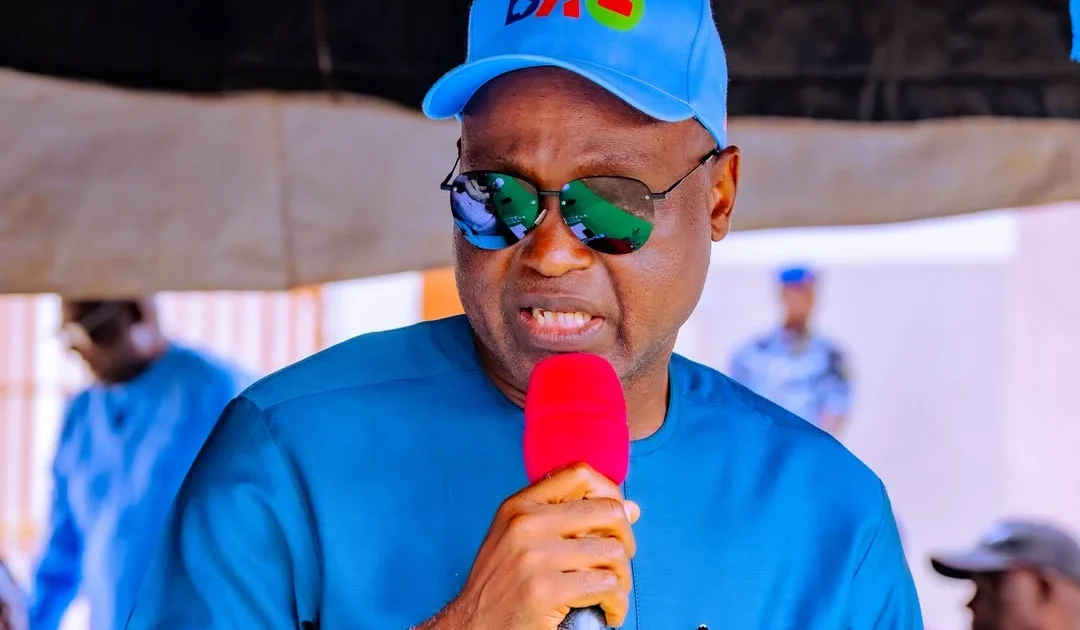
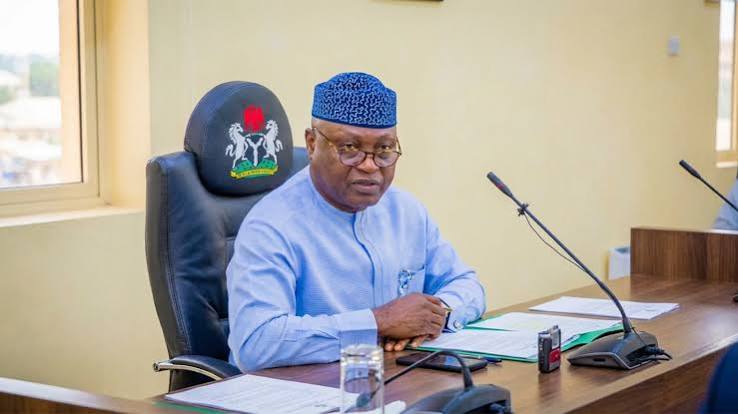
Kayode Fayemi: The Organizer
If Fayose represents the people, Kayode Fayemi brings strategy and organization. He served as governor from 2010 to 2014 and again from 2018 to 2022. He is known nationally as a key figure in the APC.
His time in office included major reforms in governance, infrastructure, education, and social security. After losing re-election in 2014, he returned to power four years later, proving he is a strong political figure.
Mr Kolawole credits him with major changes in education, saying, “Fayemi modernised the education sector.” He has a solid political structure behind him in the APC and has consistently supported Mr Oyebanji.
In a message during the campaign kickoff, Mr Fayemi praised the governor’s leadership, saying, “Governor Oyebanji has, in many respects, justified the confidence reposed in him.” For many APC supporters, his backing represents continuity in Ekiti politics.
Why This Support Matters
The importance of these endorsements goes beyond just showing unity. Together, these four former governors represent every major political group in Ekiti since 1999. They have connections with traditional leaders, party heads, civil servants, and grassroots supporters.
They also represent both sides of Ekiti’s political divide. Fayose is a key figure in the PDP while Adebayo and Fayemi are strong in the APC. Oni has credibility with voters across party lines. Political analyst Akinwale Adesina sees their coalition as a strong message to voters.
“In a state where politics is often highly polarized, seeing Fayose, Fayemi, Oni, and Adebayo on the same side is extraordinary,” he said. “It tells voters that the election has moved beyond party lines and has become a judgement on Governor Oyebanji’s performance.”
According to him, these endorsements make it harder for opposing forces to unite against the incumbent. “Once you have major figures from opposing political traditions endorsing the same candidate, the opposition loses one of its strongest arguments, that voters should reject the incumbent simply because of party affiliation,” he said.
Can They Change the Election?
The answer is yes, but only to a point. Ekiti’s political history shows that endorsements alone do not win elections. Voters often make choices based on performance rather than who supports whom.
Both Adebayo and Fayemi lost re-election bids despite having strong political backing. But the combined influence of the four former governors is significant. They give Mr Oyebanji a unique advantage: support from both sides of politics.
Fayose brings grassroots appeal. Fayemi adds strength in the party structure. Oni is respected for his moderate views. Adebayo represents elder authority. Mr Kolawole believes voter turnout will be more important than endorsements. “What we are trying to achieve is not just victory,” he said. “The goal is to make a statement. People must come out and vote because voting is the only way to demonstrate approval of a governor’s performance.”
That might be the biggest challenge for Mr Oyebanji and his supporters. While the endorsements help his position, voters will ultimately decide based on his time in office and the other choices available. The backing of four former governors might act as a strong shield, but the final decision lies with the people of Ekiti.



Drop your comment
No comments yet — be the first to drop the gist 👇