The federal government has launched FreeTV under the Digital Switch Over (DSO) programme. They say this initiative will open new doors for Nigerian businesses, tech innovators, and workers.
PREMIUM TIMES reported earlier that the FG planned to start FreeTV. This initiative aims to make sure Nigerians enjoy the benefits of moving from analogue to digital television broadcasting.
The Minister of Information and National Orientation, Mohammed Idris, said this initiative is an investment in Nigeria’s future. He expects it to create jobs and boost economic growth.
Idris made these comments in a statement from his Special Assistant on Media, Rabiu Ibrahim.
On Wednesday, during the launch of the DSO platform at the Nigerian Communications Satellite Limited (NIGCOMSAT) headquarters in Abuja, the minister called this a significant achievement for the country’s broadcasting sector.
He said the new platform shows President Bola Tinubu’s commitment to driving digital innovation, improving infrastructure, boosting economic growth, and speeding up Nigeria’s digital transformation.
Idris said, “A fully implemented DSO ecosystem will create jobs, stimulate local manufacturing, expand audience reach, strengthen content production, increase advertising opportunities, and unlock new revenue streams for broadcasters and content creators.
“The Digital Switch Over project is not just a technological change; it is a key step towards modernizing Nigeria’s broadcasting industry. This launch is not just a broadcasting milestone; it is part of a national effort by the Federal Government to create a more connected and prosperous Nigeria.”
He also addressed worries that the DSO initiative would replace current broadcasting technologies. He explained that the DSO was not meant to replace any existing technology, but to improve access to broadcasting services and promote innovation across various content delivery platforms.
The minister shared that they held extensive talks with important stakeholders in the broadcasting industry a day before the launch. These included broadcasters, signal distributors, set-top box manufacturers, content creators, NIGCOMSAT, DigiTeam, the Broadcasting Organisations of Nigeria (BON), the Advertising Regulatory Council of Nigeria (ARCON), and other industry players.
Idris noted that even with different opinions on some aspects of the rollout, all stakeholders agreed to support the successful implementation of the programme. “One important message emerged clearly from that engagement: all stakeholders remain united in their commitment to the successful implementation of the Digital Switch Over programme in Nigeria.
“Digital Terrestrial Television remains an important part of Nigeria’s digital broadcasting framework. What we are pursuing is a hybrid broadcasting model that combines DTT, Direct-to-Home satellite delivery, and digital application-based platforms,” he added.
The minister also stressed the FG’s goal to promote local technology, encourage local manufacturing, and create a space where Nigerian innovation can thrive in the broadcasting industry.
He commended NIGCOMSAT, the National Broadcasting Commission (NBC), the Broadcasting Organisations of Nigeria (BON), the Advertising Regulatory Council of Nigeria (ARCON), DigiTeam, broadcasters, manufacturers, and other partners for their efforts in making this project happen.
Idris called the rollout a turning point for the nation’s broadcasting sector.
Also speaking at the event, the Minister of Communications, Innovation and Digital Economy, Bosun Tijani, said the DSO was a key step in Nigeria’s digital progress. Tijani pointed out that the initiative reflects Mr Tinubu’s aim to invest in strategic digital infrastructure for sustainable economic development.
“The DSO is one of the first visible outcomes of our broader digital infrastructure strategy aimed at building a one-trillion-dollar economy,” he said.
He highlighted plans to lay down 90,000 kilometres of fibre-optic infrastructure across the country and mentioned the President’s approval to launch two more satellites to strengthen Nigeria’s communication capacity.
The Director-General of the NBC, Charles Ebuebu, and NIGCOMSAT’s Managing Director and CEO, Jane Egerton-Idehen, said the launch marks the beginning of a new era in the country’s broadcasting sector.
“This is more than a television platform; it is a national communications architecture designed to expand access to information, education, and digital opportunities for all Nigerians,” Mr Ebuebu said.
Mrs Egerton-Idehen explained that the initiative will use NIGCOMSAT’s satellite technology to improve internet access in underserved communities and strengthen Nigeria’s growing digital and creative industries.
“It creates new opportunities for content creators, broadcasters, manufacturers, investors, and technology providers, while strengthening Nigeria’s position as Africa’s top digital broadcasting ecosystem,” she stated.
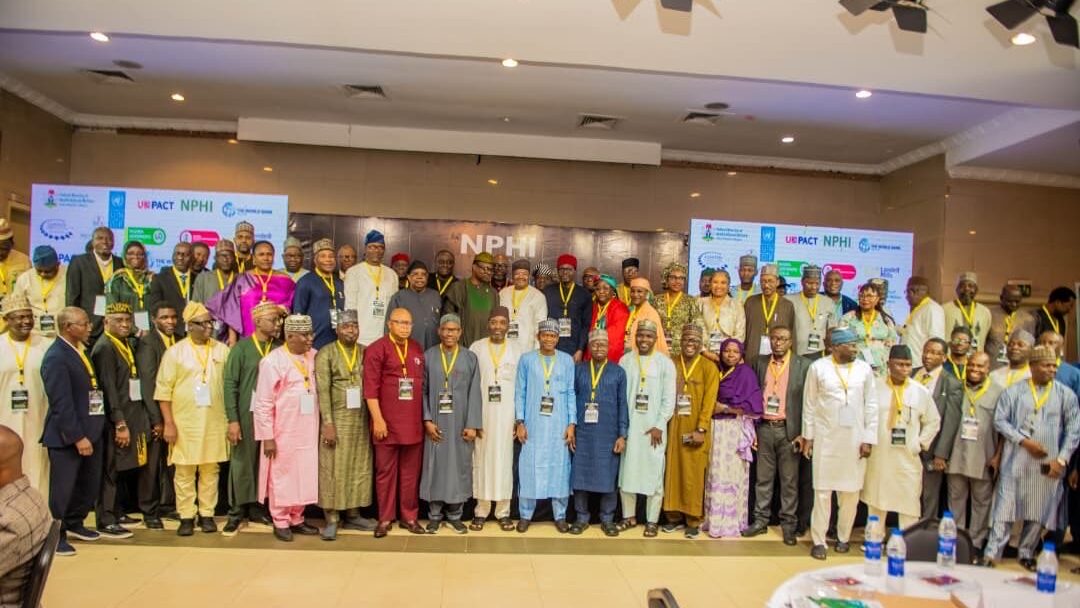
The Deputy Speaker of the House of Representatives, Benjamin Kalu, attended as the special guest of honour. He called the launch a significant national milestone, showing good teamwork between the government and industry stakeholders.
“This initiative will expand access to quality broadcasting services, create jobs, stimulate investment, and unlock new opportunities across the media and creative sectors,” Mr Kalu said.
He added that the successful launch reflects Mr Tinubu’s drive for digital change and economic growth. The launch event had many top government officials and key players from the communications and broadcasting sectors.
Nigerians will have access to over 100 national, regional, and state channels on FreeTV. This includes various content like news, sports, movies, music, children’s programs, educational shows, and dedicated Yoruba, Hausa, and Igbo language channels.
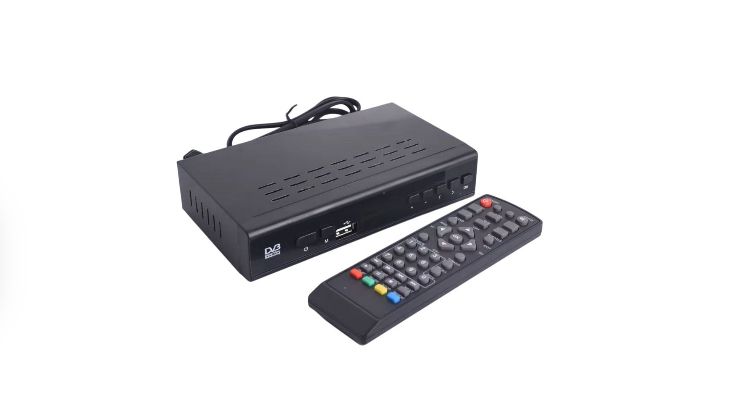
Importantly, Nigerians won’t need to buy new television sets to access FreeTV. Existing TVs will work with compatible DVB-T2 or DVB-S2 decoders. Also, those who already own compatible free-to-air decoders may not need to buy new equipment.
Drop your comment
No comments yet — be the first to drop the gist 👇