
Nigeria’s political and security troubles are tied to years of bad governance, poverty, weak institutions, and ongoing structural issues. This was the view shared by participants at a symposium held by Edo State University, Iyamho.
The findings were shared in a communiqué after the first Faculty of Arts and Communication Round Table Symposium on June 18. The event took place at the university’s Aliko Dangote Auditorium.
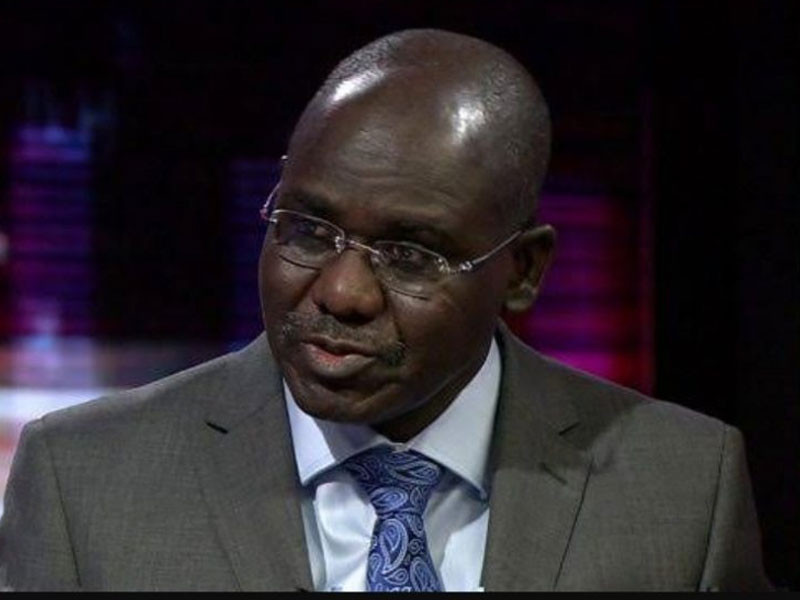
Peter Egielewa, a reverend father and acting dean of the faculty, sent the communiqué to PREMIUM TIMES on Friday.
The symposium, titled “Nigeria’s Political and Security Crisis: Historical Origins, Diagnosis and Way Forward,” brought together academics, researchers, policymakers, media professionals, security experts, and students. They gathered to discuss the causes of insecurity and potential solutions.
The communiqué stated that participants agreed Nigeria’s problems stem from “historical, political, economic, and institutional factors that have evolved over several decades.” They pointed to issues like colonial legacies, ethnic divisions, poverty, unemployment, corruption, and failures in governance as key reasons for insecurity, social unrest, and crime.
The symposium also highlighted that “military responses alone cannot adequately address the complex and multidimensional nature of Nigeria’s security challenges.”
Participants warned that high youth unemployment, economic exclusion, and limited chances for social mobility have played a big role in increasing crime rates, migration pressures, and political instability.


The communiqué further noted that weak institutions, poor policy execution, and lack of accountability have damaged public trust in government.
The symposium suggested that all levels of government should promote accountable leadership, transparency, and good service delivery to tackle the root causes of insecurity. They also called on authorities to work harder to reduce poverty, create jobs, and empower young people through skills training, entrepreneurship, and innovation.
Other suggestions included improving security institutions with better intelligence, funding, training, and technology, as well as revitalising local governments to help with grassroots security and conflict prevention.
The symposium also urged for constitutional and institutional changes that support inclusiveness, fairness, justice, and national unity. Political leaders were advised to avoid using ethnic, religious, and regional issues for personal gain. Citizens were encouraged to check facts before sharing information on social media.
In his comments, Mr Egielewa said the symposium aimed to take academic discussions beyond the classroom to address issues affecting society. He said, “scholarship must transcend the pursuit of academic promotion and contribute meaningfully to addressing societal problems.”
Mr Egielewa expressed hope that the recommendations from the symposium would help policymakers at all levels of government. This event comes as Nigeria continues to face challenges like terrorism, banditry, kidnappings, communal clashes, and separatist movements in various regions. The suggestions reflect an increasing demand for a wider strategy that combines security actions with governance reforms, economic opportunities, and stronger democratic institutions to deal with the root causes of insecurity.




Drop your comment
No comments yet — be the first to drop the gist 👇