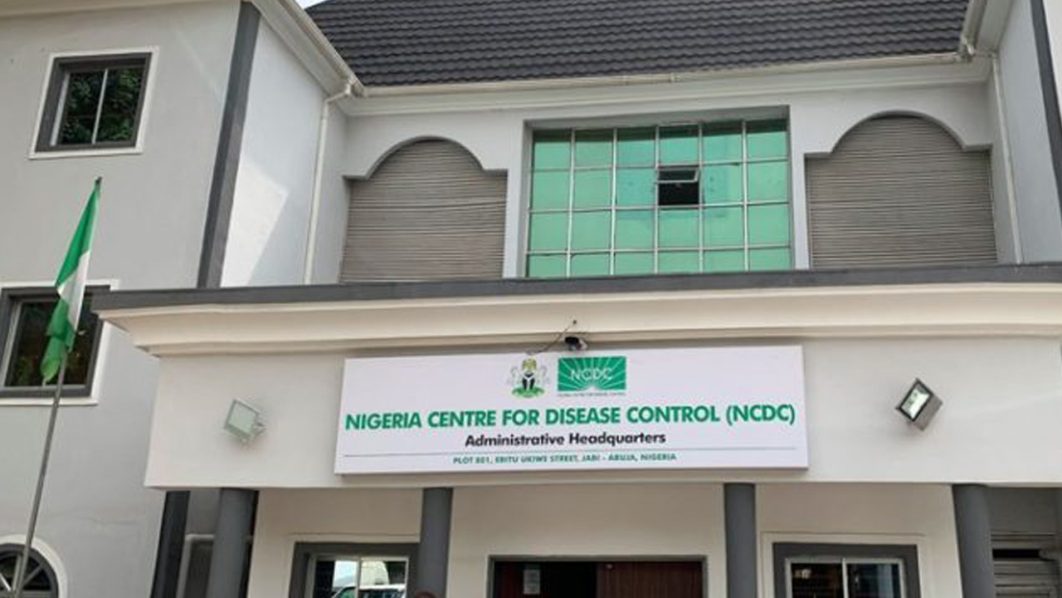
Nigeria Centre for Disease Control and Prevention (NCDC) has announced that the death rate for Lassa fever increased to 19.3 percent in 2026. This is up from 18.9 percent recorded in the same period in 2025.
The agency shared this information in its Lassa Fever Situation Report for Epidemiological Week 23, which covers June 1 to June 7, 2026.
The report stated that the number of new confirmed cases stayed the same as the previous week. Infections were reported in Edo, Ondo, Bauchi, and Ebonyi states.
NCDC also mentioned that there were no new infections among healthcare workers during the week. The outbreak has spread to 23 states.
The report showed that the outbreak has impacted 23 states and 109 Local Government Areas (LGAs) since the start of the year. It added that both suspected and confirmed cases have increased compared to the same period in 2025. This shows that the disease is still spreading.
The agency noted that five states are responsible for most of the confirmed infections in the country. Ondo State has the highest number, making up 28 percent of the confirmed cases. Bauchi follows with 25 percent, then Taraba with 15 percent, Edo with 10 percent, and Benue with six percent.
The remaining 16 percent of confirmed cases are reported across 18 other states. Young adults are the most affected group.
NCDC stated that young adults are still the most affected age group in the current outbreak. The highest number of infections was found among people aged between 21 and 30 years.

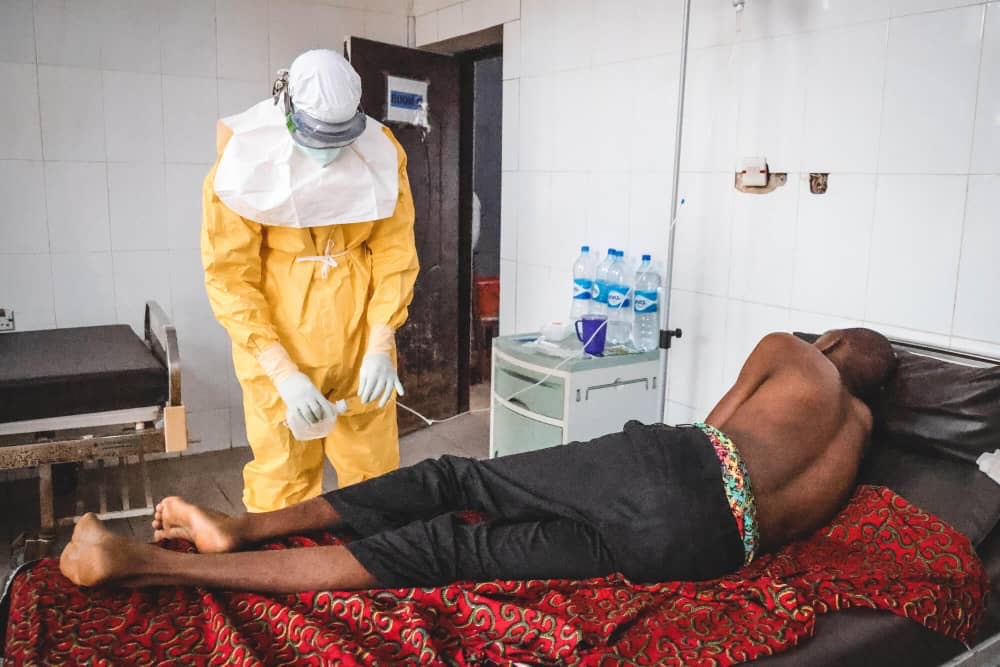

According to the report, confirmed cases vary in age from 1 to 93 years, with a median age of 30 years. The agency added that the National Lassa Fever Multi-Partner, Multi-Sectoral Incident Management System (IMS) is still active to manage response activities in affected areas.
This system is helping with surveillance, case management, and other response actions at the federal, state, and local government levels.
Even though there were no new infections among healthcare workers in Week 23, NCDC said the rising death rate and the ongoing spread of the disease in multiple states show that response efforts must continue.
The agency added that surveillance and case management activities are still happening in all affected states to control the outbreak and lower deaths.
Lassa fever is a serious viral infection caused by the Lassa virus. The virus mainly spreads to humans through contact with food or household items contaminated by the urine or droppings of infected rats.
It can also spread from person to person through contact with bodily fluids. The disease usually starts with fever, weakness, and headache, and can lead to severe symptoms like bleeding, breathing problems, swelling, and organ failure. Early diagnosis and quick treatment with Ribavirin are key for better chances of survival.




Drop your comment
No comments yet — be the first to drop the gist 👇