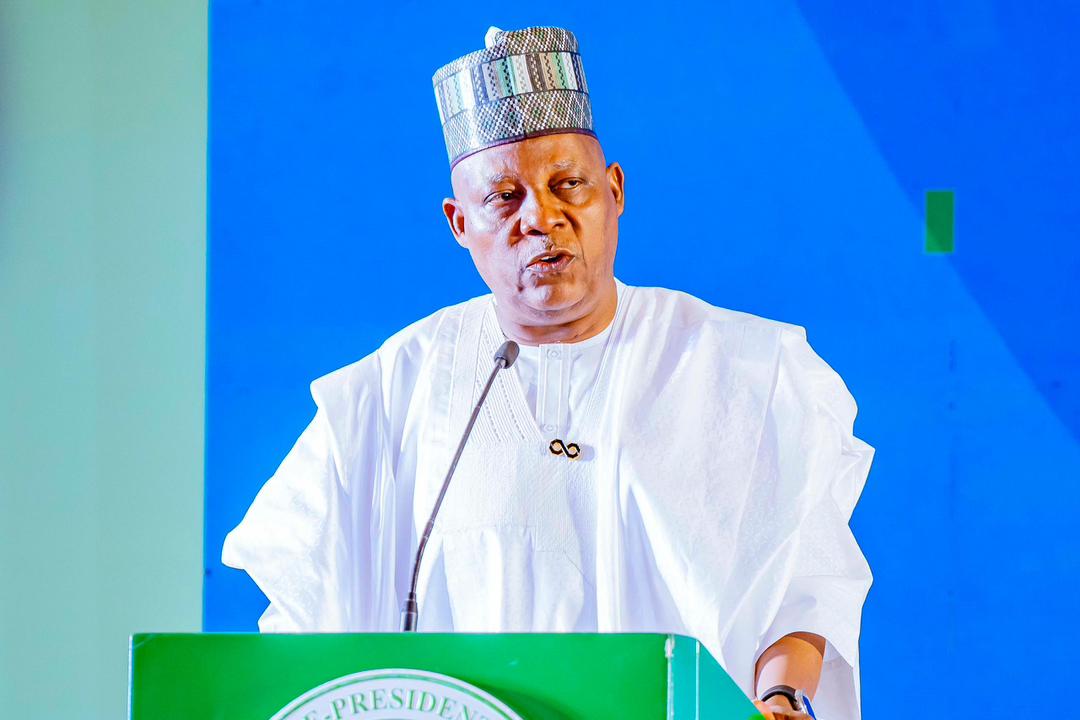
Nigeria’s Vice President, Kashim Shettima, has asked for quick investments in health, education, and skills development in northern Nigeria. He said the region suffers from not having enough human capital development.
Mr Shettima made this statement on Wednesday at the Northern Nigeria Human Capital Development Summit in Abuja.
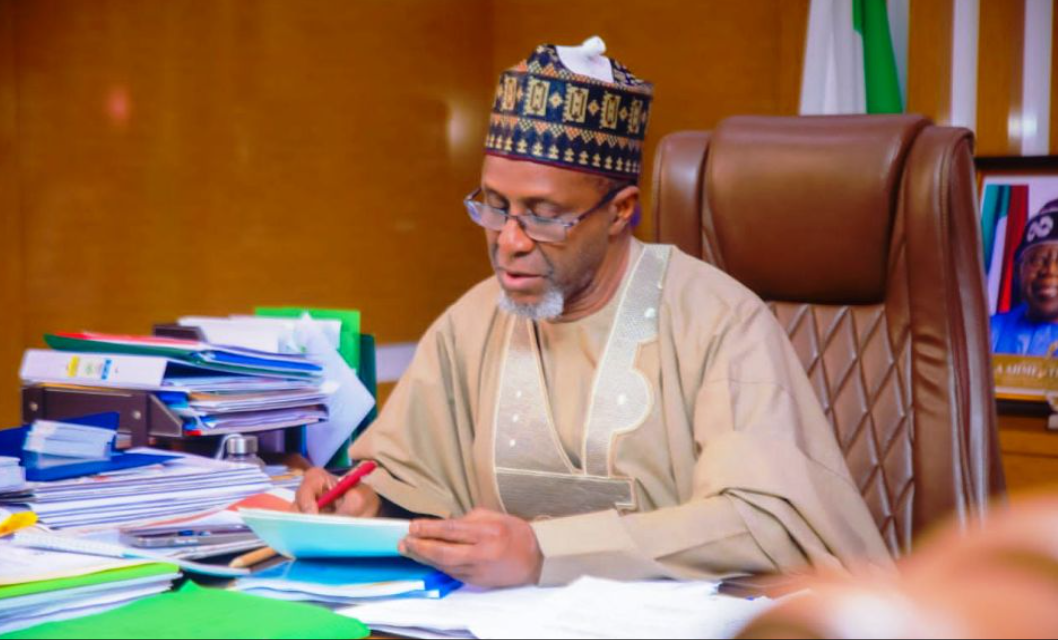
He was represented by Ibrahim Hadejia, who is the deputy chief of staff in the Office of the Vice President. Mr Shettima pointed out that no other region in Nigeria has faced the consequences of lacking human capital like northern Nigeria.
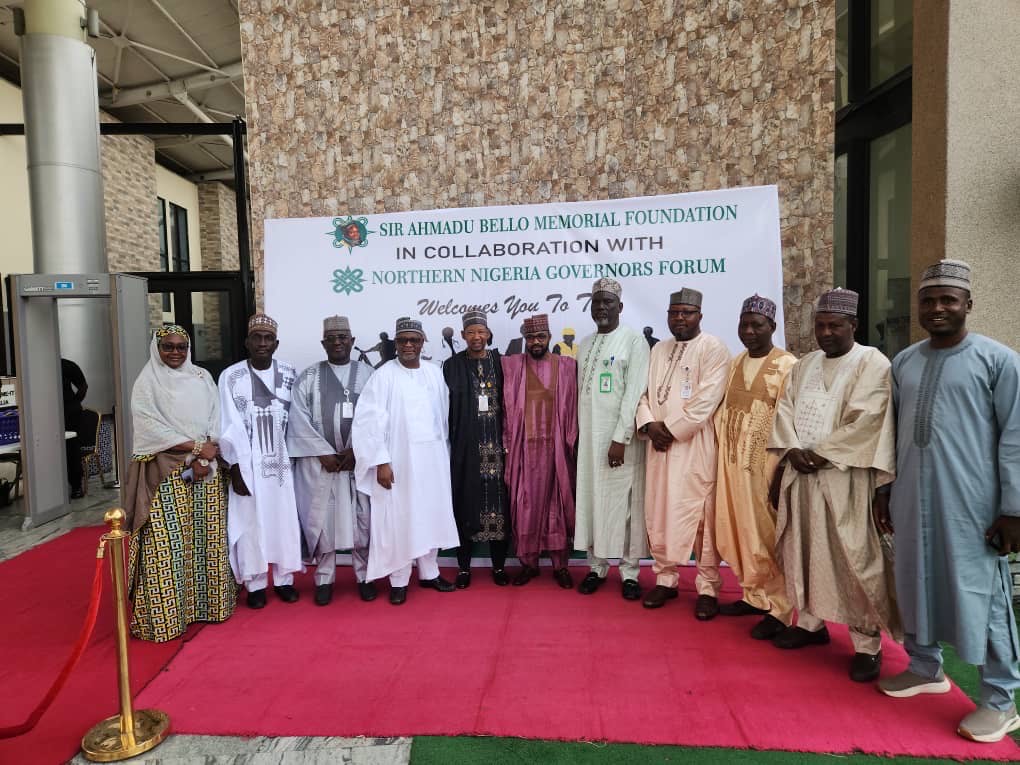
The News Agency of Nigeria (NAN) reports that the summit was organized by the Sir Ahmadu Bello Memorial Foundation and the Northern Nigeria Governors’ Forum.
“There is no part of this country that has paid the price for the inadequacy of human capital as much as northern Nigeria,” Mr Shettima said.
“You have paid for it in the bodies of mothers who do not survive the act of giving life.
“This has also been done in the minds of children who are never taught to read, and in the talents of young people who carry the weight of a region without the tools to lift it,” he added.
According to the vice president, the North has a lot of people, talent, and economic potential. But, he said it needs focused investments to turn those resources into real growth.
He described the summit as a good chance to tackle ongoing development problems and close gaps that still block progress in communities.
Mr Shettima mentioned that the Federal Government’s Human Capital Development (HCD) 2.0 Strategy gives a way to improve health, education, nutrition, skills development, and livelihoods.
But, he emphasized that state governments must play a big role in making policies work in practice.
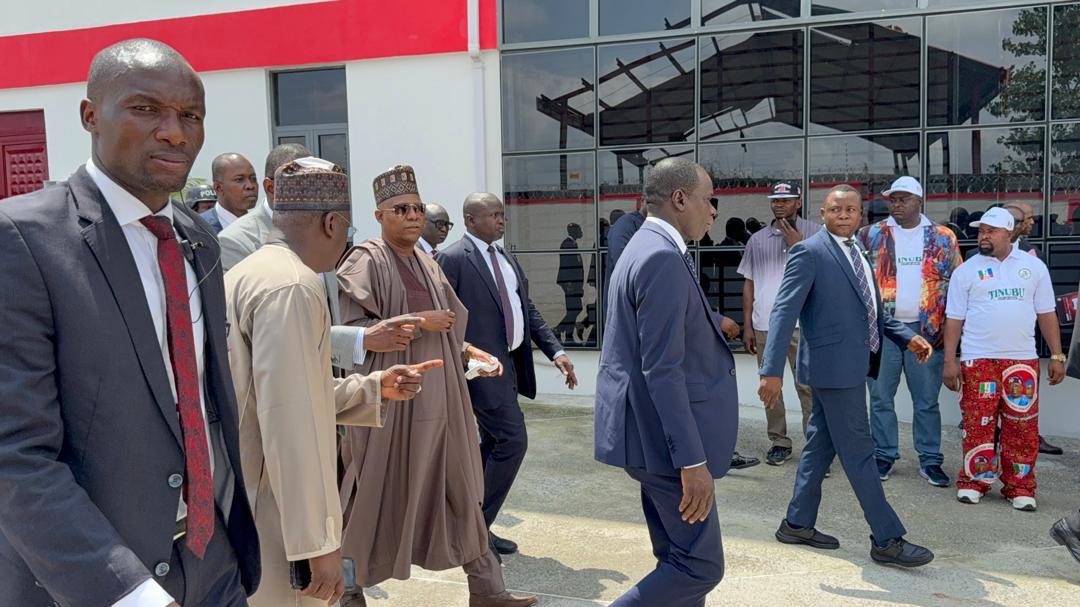
He urged governors and other leaders to take charge of the human capital agenda, reminding them that schools, primary healthcare centers, and service providers mostly fall under their duties.
“The classrooms are in your states. The primary healthcare centres are under your authority. The teachers, nurses, midwives, and community workers are all in your employ,” he said.

“No federal programme, no matter how well designed, can educate the child you have not enrolled or save the mother you have not reached.”
Also speaking, Governor Abdullahi Sule of Nasarawa State pointed out the Almajiri system, out-of-school children, and early marriage as major barriers to human capital development in northern Nigeria.
Mr Sule said northern leaders must face these issues directly, highlighting that millions of children are still out of the formal education system.
“The elephant in the room is the Almajiri system. We have discussed many issues here, but we must tell ourselves the truth,” he stated.
He noted that Nasarawa State sent back over 200,000 Almajiri children to their states during the COVID-19 pandemic to tackle the problem.
He said the issue is still widespread, with northern states making up about 15 million of Nigeria’s estimated 18 million out-of-school children.
“If we are serious about human capital development, we must address out-of-school children, early marriage and the conditions that keep young people away from education,” he said.
Mr Sule called on governors, traditional rulers, religious leaders, and lawmakers to team up for lasting solutions. This includes creating laws and improving access to formal and vocational education.
He stated that solving these issues will need quality education, skills training programs, and social support for vulnerable children.
The governor also linked poor education results to insecurity and poverty. He warned that not investing in young people could hurt development in the region.
Both leaders asked for more funding for education, healthcare, and skills development programs. They urged governments at all levels to turn promises into clear actions through better funding, accountability, and service delivery.
The summit brought together governors, ministers, development partners, traditional rulers, and others to talk about ways to speed up human capital development in northern Nigeria.

Drop your comment
No comments yet — be the first to drop the gist 👇