The federal government has said it will focus on keeping key health system gains made during the COVID-19 pandemic as the Global Fund’s COVID-19 Response Mechanism (C19RM) support comes to an end.
Officials mentioned that the new focus will move from emergency response to making the improvements in disease surveillance, laboratory services, oxygen supply, infection control, and emergency readiness part of the health system. This will help Nigeria better handle future health challenges.
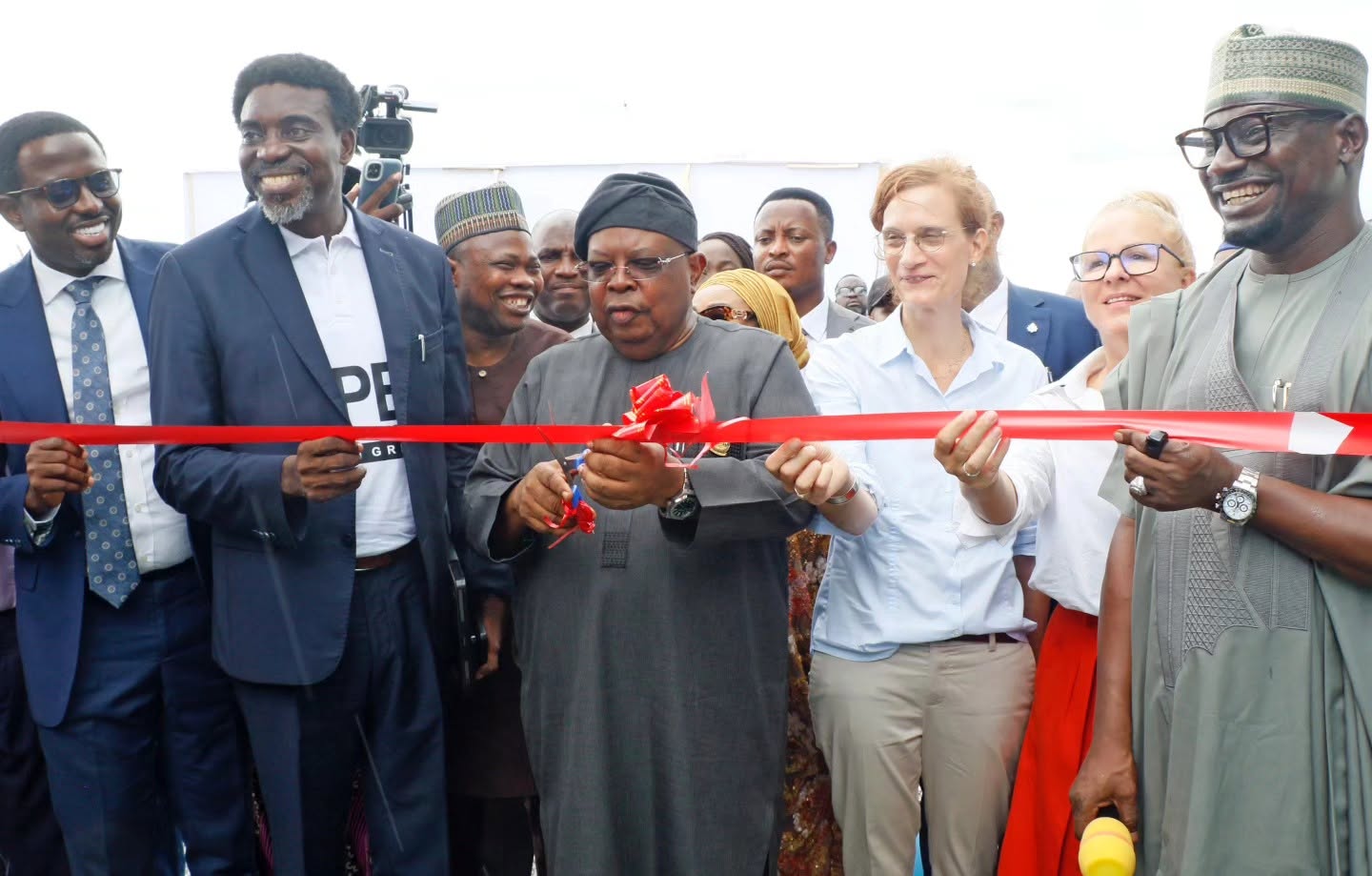
This commitment was announced on Thursday at the closing meeting of the C19RM grant in Abuja. The meeting was themed “C19RM Grant: Celebrating Results, Capturing Lessons and Shaping the Future.”
The event included government officials, development partners, and health stakeholders who looked back at the program’s successes. They also talked about ways to maintain its impact after donor funding ends.
Speaking at the event, the Coordinating Minister of Health and Social Welfare, Muhammad Pate, said the COVID-19 pandemic showed weaknesses in health systems globally. He emphasized that countries must invest in long-term resilience instead of just short-term solutions.
Mr Pate, represented by the Director of Hospital Services at the ministry, Vivian Okafor, explained that the COVID-19 pandemic challenged health systems everywhere. He said, “health security is not separate from national security, economic resilience, or sustainable development.”
For Nigeria, he noted that the C19RM grant was more than just an emergency response. It was a chance to strengthen key parts of the health system while keeping HIV, tuberculosis, and malaria services running during a tough time.
The C19RM grant was launched by the Global Fund during the pandemic. It aimed to help countries lessen the impact of COVID-19 while protecting essential health services and preparing for future outbreaks.
According to Mr Pate, the program helped Nigeria improve surveillance systems and laboratory networks. It also expanded oxygen supply, strengthened logistics systems, and supported digital and community healthcare delivery.
He mentioned that these investments continue to help the health sector after the pandemic. They contribute to stronger institutions, better governance, and a more prepared health workforce.
Mr Pate said one major lesson from the program is that emergency health funding should lead to lasting improvements, not just temporary fixes. He added that the program’s success should be judged not only by the equipment acquired but also by its impact on institutions, governance, workforce skills, and future emergency readiness.
With donor support ending, the meeting focused on how to keep and fund the systems set up through the intervention. Mr Pate said the government is working to integrate the grant’s structures into regular health services and strengthen local financing to keep them running long-term.
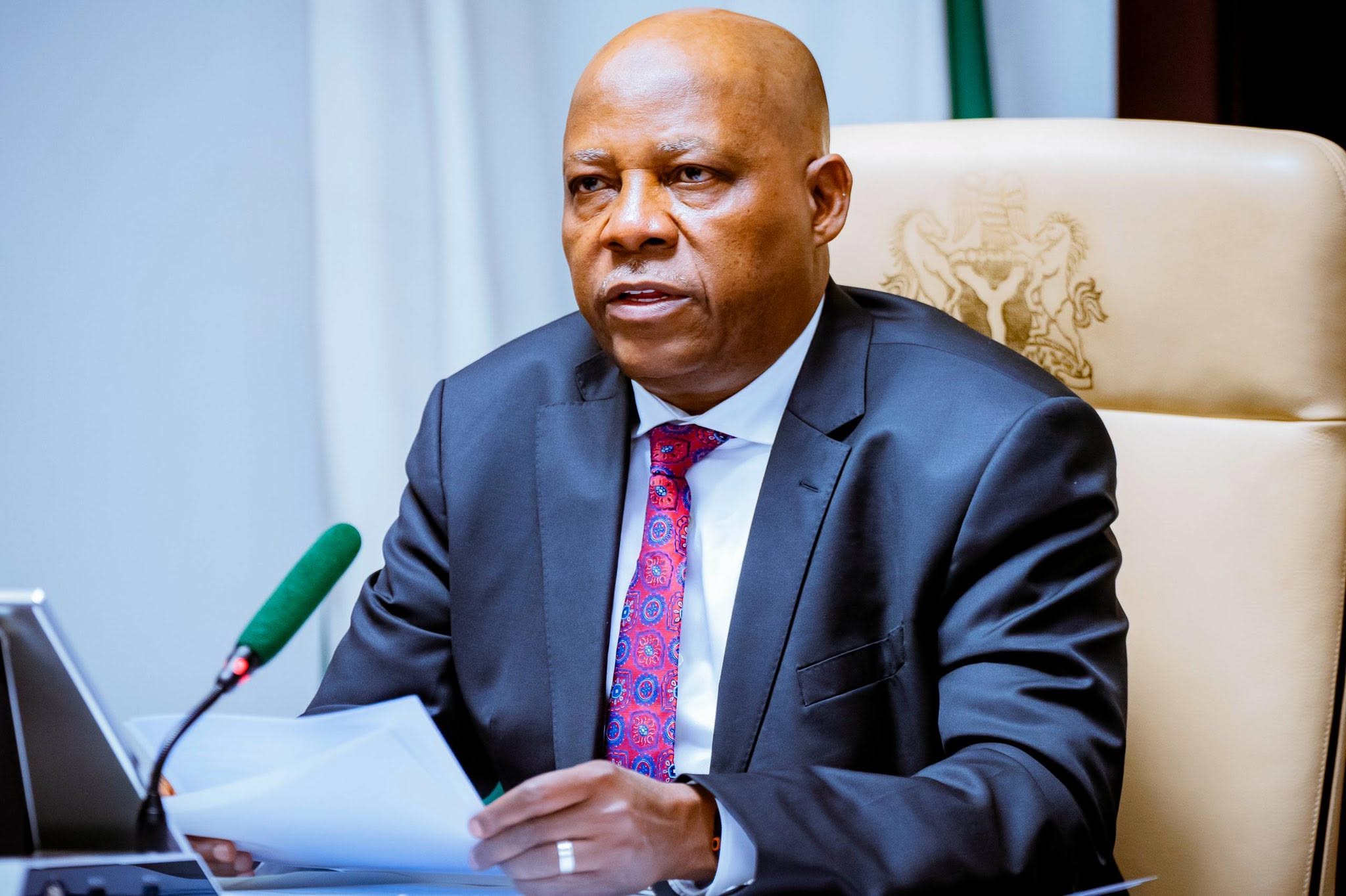

He pointed to ongoing reforms under the Health Sector Renewal Investment Initiative (NHSRII) and investments through the Basic Health Care Provision Fund (BHCPF) as efforts to ensure sustainability.
“The systems established through C19RM must be integrated into routine government structures, supported through sustainable financing mechanisms, and managed through accountable institutions,” he said.
He added that keeping these gains will need commitment from federal and state governments, implementing agencies, development partners, and local communities.
The Director-General of the National Agency for the Control of AIDS (NACA), Temitope Ilori, also spoke. She described the meeting as a chance to review the program’s impact and find lessons for future health emergencies.
She said the grant gave vital support to Nigeria when the pandemic put a lot of pressure on health systems worldwide. Ms Ilori noted that investments from the intervention built up surveillance systems, laboratory capacity, oxygen infrastructure, infection control, supply chains, community involvement, and emergency readiness.
Beyond the physical infrastructure and equipment, she highlighted the importance of teamwork among government institutions, development partners, and healthcare workers.
“As we review the program’s achievements today, we must also focus on sustainability.”
“The true value of these investments will be measured by how effectively they are integrated into routine systems, maintained over time, and used to improve health outcomes for Nigerians,” she said.
She expressed gratitude to the Global Fund and partners for their support. She urged everyone to build on the lessons learned from the program as Nigeria gets ready for future outbreaks and health emergencies.
The C19RM is a special funding initiative started in 2020 to help countries respond to the pandemic, protect HIV, tuberculosis, and malaria programs, and strengthen health systems. In Nigeria, the intervention supported investments in disease surveillance, laboratory systems, oxygen supply, infection prevention, healthcare workforce capacity, and emergency response.

Drop your comment
No comments yet — be the first to drop the gist 👇