---
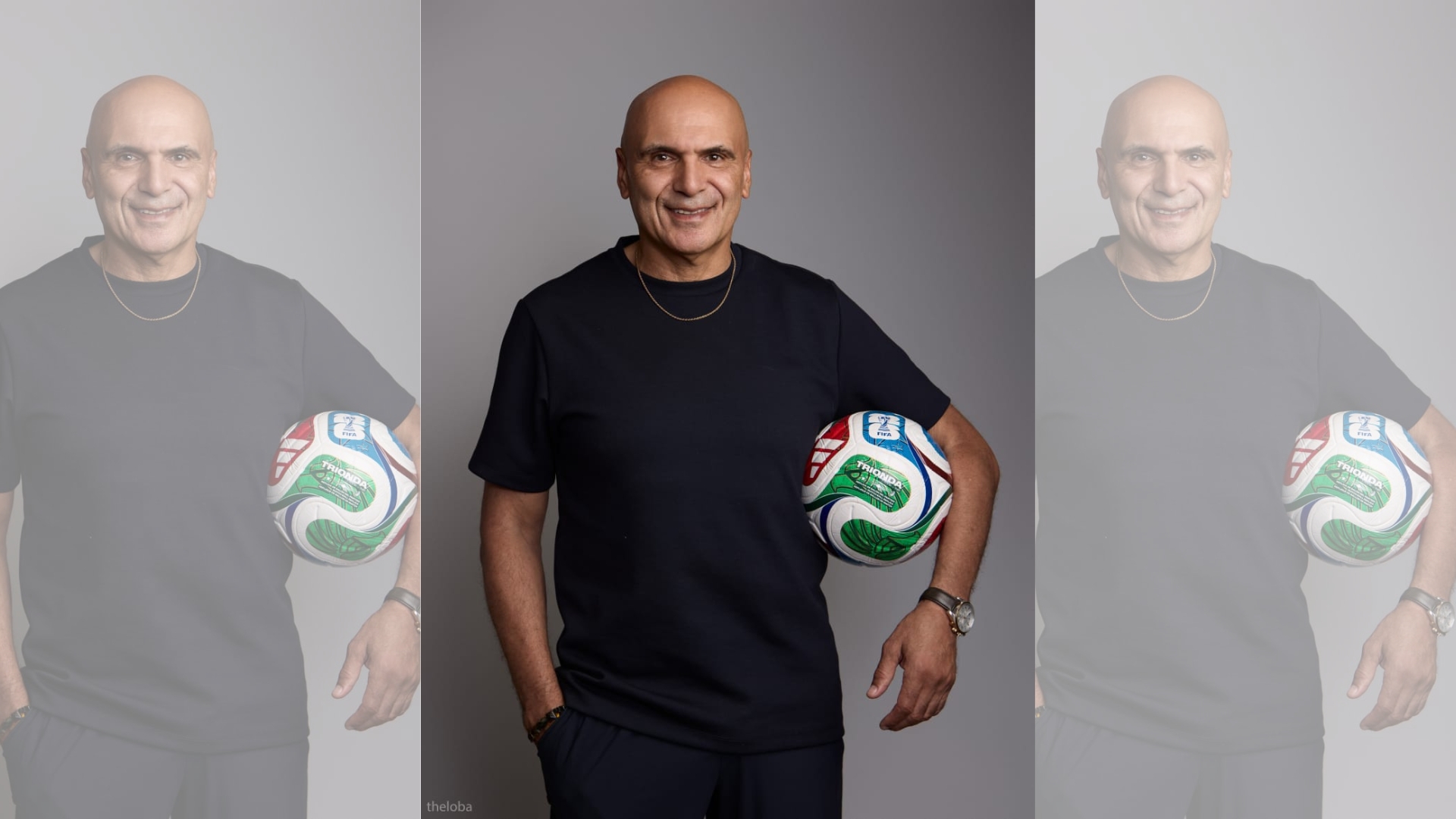
President of Jersey 2 Africa 4 Football Foundation and former Jersey FA President, Ricky Weir, recently came to Nigeria. He came to promote his award-winning memoir, Illegitimately Blessed, support grassroots football, and boost the Walking Football movement in the country.
In this exclusive chat with PREMIUM TIMES, he talks about his Nigerian roots, getting Nigerian citizenship, his football journey, facing racism, and why he thinks his story can inspire people in Africa. He also shares his views on the expanded FIFA World Cup and other changes by FIFA.
Excerpts…
PT: Why are you in Nigeria? Is this your first visit?
Ricky Weir: No, this is actually my fifth visit to Nigeria. I came mainly to receive an award, which was a wonderful honour. While here, I’ve also been working with Walking Football groups in Lagos and Abuja, and supporting grassroots football initiatives.
I attended the opening of the Five Stars League in Abuja, which I think is one of the best grassroots football programmes. I was very impressed by what I saw. I also took the chance to handle some personal matters related to my Nigerian heritage.
PT: You have spoken a lot about your Nigerian roots. Why was it important for you to get Nigerian citizenship?
Ricky Weir: The main reason is that I wanted to return to Nigeria whenever I want without the hassle and cost of visas.
But it also means something deeper. The journey started over 26 years ago when I began tracing my father’s roots. Finally holding a Nigerian passport because my father was born here is something I never thought would happen.
Many people want European or American passports. In my case, I was after a Nigerian passport. For me, it’s about identity and connection.
PT: Tell us about your father and your journey to discovering your roots.
Ricky Weir: My father was Nigerian, and my mother was Scottish. Sadly, my father died before I was born, so I never met him.
My mother was pregnant and unmarried in the 1960s. She faced enormous pressure and was eventually put up for adoption shortly after I was born.
Wonderful adoptive parents in Scotland raised me. For many years, I resisted searching for my biological family because I didn’t want my adoptive parents to feel inadequate. They were my parents because they raised me.
Eventually, I felt it was time to understand where I came from. That began a long search that ultimately led me to Nigeria.
PT: What stands out to you about Nigerian culture?
Ricky Weir: Nigerians are direct. Sometimes that can seem a bit harsh at first, but once people know you, there is great warmth and kindness.
I’ve always felt welcome here. I feel a strong emotional connection to Nigeria because of my father, and that connection grows with every visit.
PT: Tell us about your football journey.
Ricky Weir: Like many kids in Scotland, football was just part of everyday life. We didn’t have computers or mobile phones. We had football.
You would grab a ball and go outside to play. It was the easiest and most accessible sport. That’s why football became the world’s game.
I started playing from a young age and eventually became a striker. During my best years, I was a top goalscorer.
PT: Did football help you deal with challenges growing up?
Ricky Weir: Absolutely.
Growing up as a mixed-race child in Scotland during the 1960s and 1970s wasn’t easy. At that time, there wasn’t even a term like “mixed race.” You were either labelled white or black.
I faced discrimination and name-calling. Football became my safe space. It was the one place where I felt accepted. People might not have welcomed me everywhere, but they rarely turned me away from a football game.
Football gave me confidence and shaped who I became.
PT: You often mention Pelé when talking about your childhood. Why?
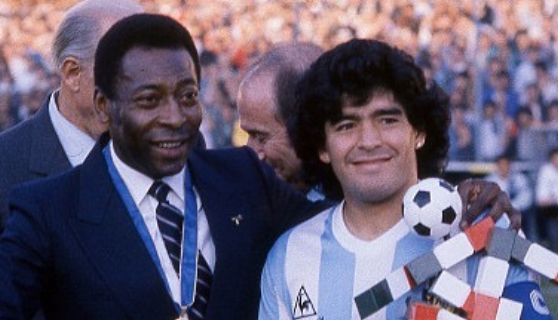
Ricky Weir: The 1970 World Cup was a huge moment. Colour television was becoming common, and people were watching Pelé and Brazil.
Because of my skin colour, people would jokingly call me “Pelé.” I was very happy to accept that comparison. It made me feel proud.
In fact, one chapter in my book is titled Glasgow Pelé.
PT: Tell us about your memoir, Illegitimately Blessed.
Ricky Weir: Writing the book was never about becoming an author or making money.
I had three goals. First, to finish the book because writing one is a huge achievement. Second, to leave a legacy for my three sons so they would understand my story. Third, if the book could inspire just one person, then I would see it as a success.
Everything else has been a bonus.
PT: The book has received a lot of attention since it was published.
Ricky Weir: Yes, and that has surprised me.
I self-published it in September 2024. Then, in March 2025, a European publisher offered me a contract. That was completely unexpected.
A month later, the book won a literary award in Italy. That was another incredible moment because I don’t see myself as a writer. I’m a football person who wrote one book.

PT: Why do you think the book resonates with people?
Ricky Weir: Because it isn’t just about football.
It’s about family, fathers, identity, discrimination, resilience, and overcoming adversity. Different people connect with different parts of the story.
That’s why I believe it can have a strong impact in Africa and especially in Nigeria, where a big part of the story comes from.
PT: Is that one reason you’re promoting the book in Nigeria?
Ricky Weir: Very much so.
If the book can impact countries where I have no link, then imagine what it could do in Nigeria.
I genuinely believe it can inspire people here. If that happens, then maybe that will become part of my legacy, along with my football work.
PT: Beyond football and writing, what would you like people to remember about Ricky Weir?
Ricky Weir: I would like people to remember someone who tried to make a positive difference.
Football has been a big part of my life, but ultimately it’s about people. Whether through grassroots football, walking football, charitable work, or now through the book, the goal is the same: to leave things a little better than I found them.
And if Illegitimately Blessed encourages even one person to keep going despite tough times, then it has done its job.
PT: Let’s talk about the ongoing 2026 FIFA World Cup, which is the first edition with 48 teams. What do you think about the expanded format?
Ricky Weir: I wasn’t a fan of the idea when it was first announced, and nothing I’ve seen has changed my mind. Even with 32 teams, the group stage could have some dull matches. Expanding to 48 teams was always going to reduce the quality.
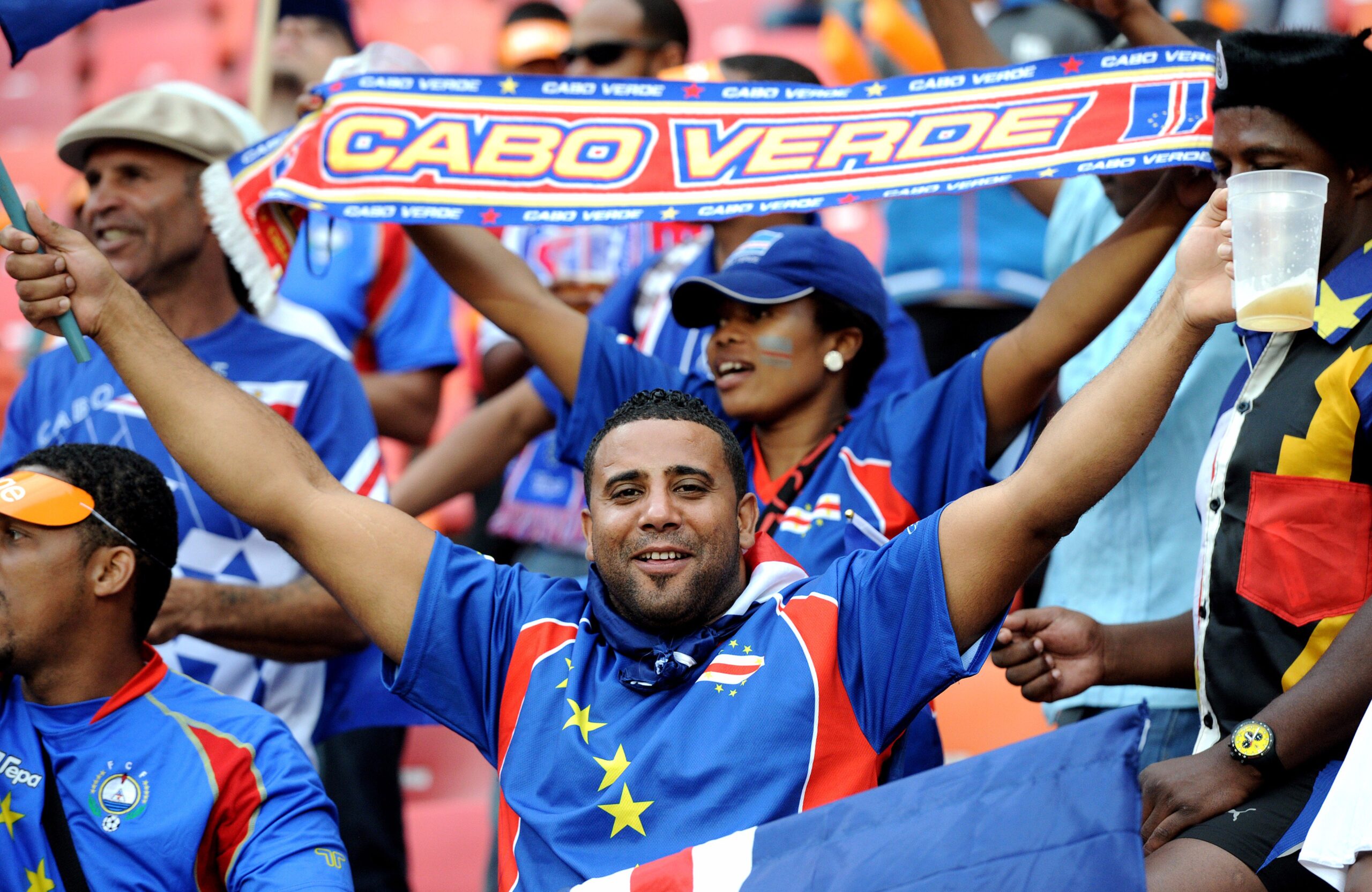
Of course, it’s great for countries like Cape Verde or Curaçao to experience a World Cup for the first time, but for me, the negatives outweigh the positives. The tournament becomes too long, there are more mismatched games, and the overall quality suffers.
The truth is that the expansion is driven mainly by money. More teams mean more matches, more television rights, and more commercial chances. But from a football point of view, I think it waters down what should be the world’s top competition.
PT: There are talks about expanding the tournament even more. What do you think?
Ricky Weir: If football keeps going this way, they might as well invite everybody and get rid of the qualifiers altogether.
The World Cup should be special because it’s difficult to reach. The more you expand it, the less exclusive it becomes. Football’s top competitions get their value from history, prestige, and achievement. If everyone qualifies, some of that magic disappears.
I think FIFA needs to be careful not to sacrifice the quality and heritage of the competition for commercial gains.
PT: FIFA has introduced new rules to cut down time-wasting and improve the flow of matches. Do you support those changes?
Ricky Weir: Generally, yes.
I think too much gamesmanship has crept into football over the years. If goalkeepers have a limited time to hold the ball, or players must take throw-ins quickly, that’s good for the game.
All those little delays add up to over 90 minutes and reduce the excitement for fans. So I support measures that encourage more football to be played and less time wasted. Those changes really benefit the fans and improve the game.
PT: Are there any recent innovations you disagree with?
Ricky Weir: Yes, for sure.
One example is the mandatory water breaks that are used even when they are not needed. If the weather requires them for player safety, that’s understandable.
But in some matches, especially where temperatures are moderate or stadiums are climate-controlled, it feels more like a commercial break than a safety measure.
My worry is that football is increasingly being packaged for commercial opportunities. If it is truly about player welfare, that’s fine. But if it’s mainly about creating more advertising space, then that’s a different issue.
PT: What are your thoughts on halftime interviews for players?
Ricky Weir: I think it’s a bad idea.
As a player, when you come off the pitch at halftime, your focus should be on recovering, listening to your coach, and preparing for the second half. The last thing you need is a microphone in your face, asking for quick comments.
Footballers are not actors in a television show. They are competitors in a contest. I believe these kinds of requirements distract from the game and risk turning football into entertainment rather than a sport.
PT: Do you worry that football is becoming too commercial?
Ricky Weir: Yes, very much so.
Football’s strength has always been its simplicity. Fans love the game because of the passion, history, and competition. My worry is that some decisions today are driven more by commercial interests than football interests.
There is nothing wrong with making money, but there must be a balance. If we’re not careful, football risks losing some of the traditions and values that made it the world’s most popular sport.


Drop your comment
No comments yet — be the first to drop the gist 👇