The federal government has promised to end harmful practices against widows and create more economic opportunities for them. They said widowhood should not lead to poverty, exclusion, or discrimination.
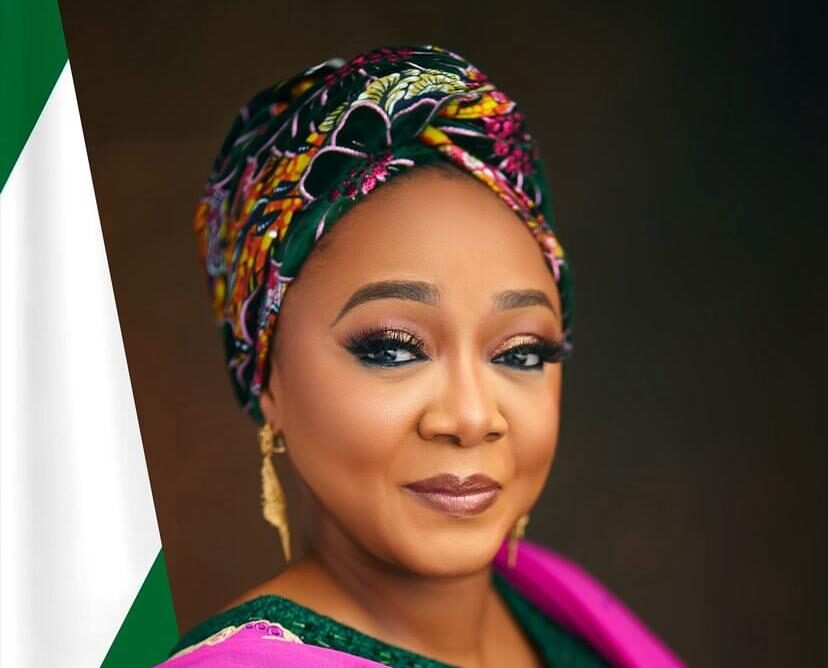
The Minister of Women Affairs and Social Development, Imaan Sulaiman-Ibrahim, made this promise on Tuesday. This was as Nigeria joined the world to mark the 2026 International Widows’ Day.
International Widows’ Day is celebrated every year on June 23. This year's theme is “Justice, Dignity and Economic Power for Widows.”
In a statement for the day, Mrs Sulaiman-Ibrahim described widows as important for families and communities. Many widows face serious challenges after losing their husbands.
“Widows are central to the survival of families, the stability of communities, and the continuity of generations,” she said.
The minister pointed out that over two million widows in Nigeria carry caregiving and breadwinning roles under tough economic situations.
“Widowhood should never become a sentence to poverty, exclusion, discrimination, or despair,” she added.
Mrs Sulaiman-Ibrahim spoke against harmful widowhood practices like disinheritance, property grabbing, forced confinement, and degrading mourning rites.
“Let me be clear, such practices are criminal,” she said.
She mentioned the Violence Against Persons (Prohibition) Act, 2015, which punishes offenders with up to two years in prison, a N500,000 fine, or both.
The minister promised to enforce existing laws better and raise public awareness to protect widows from abuse and exploitation.


Sadly, harmful widowhood practices still happen in some areas of Nigeria. Women often lose their inheritance rights, face degrading traditional rites, get forced into levirate marriages, or are isolated from their communities after their husbands die.
Rights advocates have long said that these practices violate women's dignity. They believe such actions deepen poverty and hurt women's economic independence.
Mrs Sulaiman-Ibrahim said the government is helping widows through the Renewed Hope Social Impact Intervention (RHSII-774). This program aims to offer support in all of Nigeria's 774 local government areas.
According to her, 17 groups of widows, each with 50 women, were included in the National Health Insurance Scheme in 2025. Each group also received a N500,000 grant to grow their cooperative businesses.
She noted that many of the women have started backyard farming to boost their household income and improve food security.
The minister added that thousands of widows have received vocational training, digital skills, agricultural inputs, start-up kits, and psychosocial support services.
“We are witnessing a powerful shift, from vulnerability to productivity, from dependence to enterprise, and from survival to economic participation,” she said.
International Widows’ Day was created by the United Nations General Assembly in 2010 after efforts by the Loomba Foundation. The first official celebration was in 2011.
This yearly event shines a light on the struggles widows face worldwide, such as poverty, discrimination, social exclusion, and violations of their rights.
The United Nations estimates there are about 258 million widows globally, many of whom still deal with economic struggles and social marginalization.



Drop your comment
No comments yet — be the first to drop the gist 👇