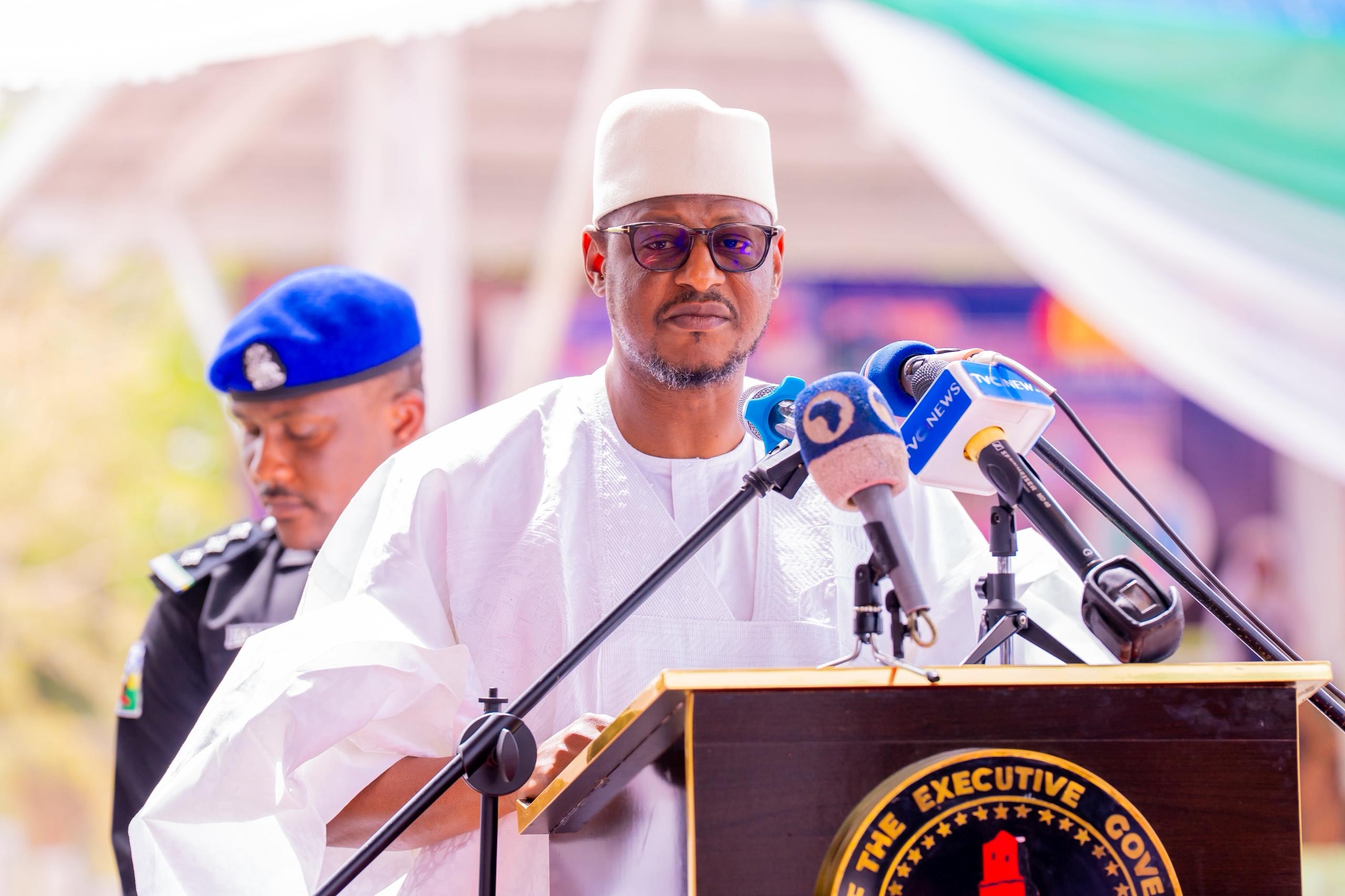
The Katsina State Government has rejected claims that it sponsored the pilgrimage of known bandit leaders.
Bashir Kurfi, a security analyst and head of the Katsina Security Community Initiative, made the allegations during an interview on Trust Television. He questioned the success of peace deals with armed groups, claiming that some bandit leaders received government support, including funding for the pilgrimage in Saudi Arabia.
However, the government has called this claim “entirely baseless,” urging Mr Kurfi to provide proof.
This back-and-forth has brought up a debate about Nigeria’s approach to dealing with banditry in the North-west. Some wonder if negotiating with armed groups has lessened violence or just rewarded criminal activities.
Hajj funding claims
During the interview on Trust TV’s Daily Politics, which PREMIUM TIMES monitored, Mr Kurfi alleged that the Katsina State Government spent around ₦10 million to send some notorious bandit leaders for Hajj.
“They even sponsored them to Hajj. About ₦10 million was spent on each of them,” he claimed.
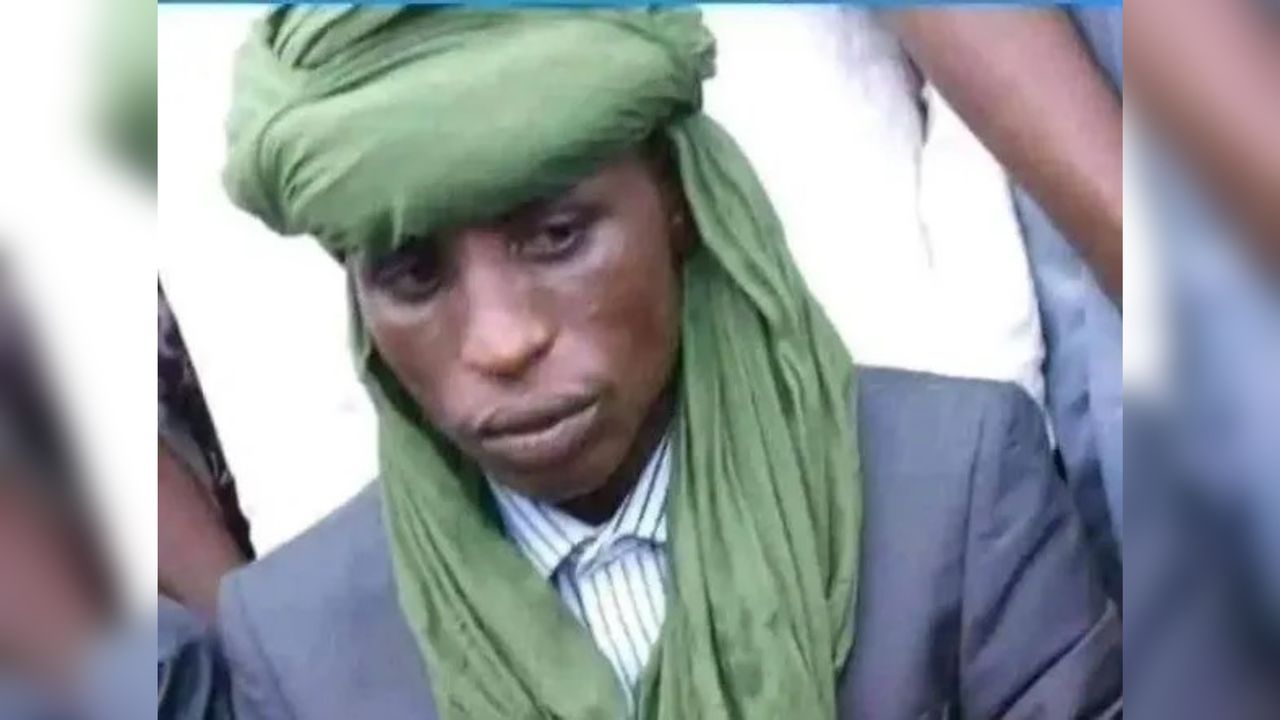
Mr Kurfi also said that the government knows the names and locations of several key bandit commanders, mentioning one called “Manuri.” He questioned why public funds would be used for people accused of killings, kidnappings, and attacks in rural areas.
“If this happened, it would ridicule the religion,” he stated.
Mr Kurfi, however, did not provide any evidence to back up his claims during the interview.
PREMIUM TIMES has not verified his claims independently.
Government's reaction
On Wednesday, the Katsina State Government responded through a statement from the Ministry of Internal Security and Home Affairs. They completely denied the allegations.
“The government states unequivocally that this allegation is entirely baseless, unfounded, and devoid of any factual basis. It is a deliberate falsehood aimed at misleading the public and undermining the ongoing efforts of the government and security agencies in addressing security challenges across the state,” the statement from the Commissioner for Internal Security and Home Affairs, Nasir Mu’azu, read.
The government insisted that no bandit leader or anyone involved in crime had been sent for Hajj.
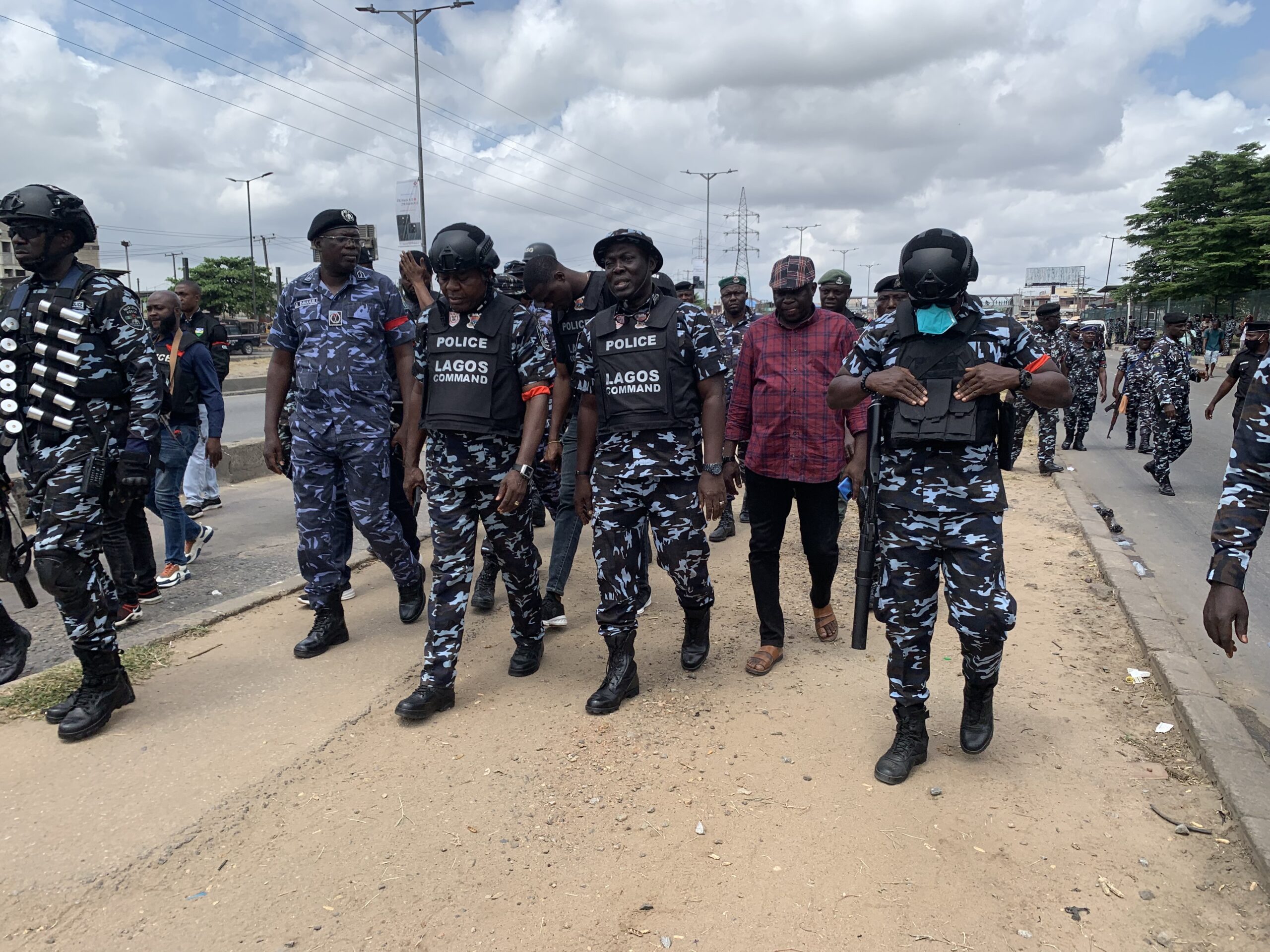
They pointed out that the claim came out just as security agencies, with the government’s backing, have recorded “significant successes” against banditry.
The government argued that the allegation was politically driven and aimed at shaking public trust in current security efforts.
“The government views this allegation as a politically motivated attempt to detract from these achievements and create unnecessary mistrust among the public,” the statement added.

The government also challenged those making the accusations to provide “credible and verifiable evidence,” warning that they could take legal action if the claims are not proven.
Peace talks under fire
Beyond the Hajj claims, Mr Kurfi criticized the dialogue efforts some North-West state governments have pursued. He argued that these talks have not broken down armed groups.
Instead, he claimed, some peace agreements have allowed bandits more freedom.
“Before, no bandit could easily cross communities,” he said.
“But after these peace deals, people were told not to touch them. Even if they attacked people in Kaduna, as long as they did not attack in Katsina, they could pass freely.”
PREMIUM TIMES could not verify this claim independently.
Mr Kurfi also alleged that some political figures gained from what he called a “security economy,” suggesting there is not enough political will to end banditry for good.
Ongoing debate
Negotiating with armed groups has been one of the most debated strategies used by governments in Nigeria’s North-west.
Different administrations in Katsina, Zamfara, Sokoto, and parts of Kaduna have tried various methods like dialogue, ceasefire agreements, and reconciliation efforts. These aim to persuade armed groups to surrender, release kidnapped victims, and reduce attacks on rural communities.
Supporters of these talks say they have sometimes led to the release of captives and a temporary drop in violence.
But critics argue that giving incentives to armed groups may legitimize crime, weaken deterrence, and encourage further violence by rewarding those who commit attacks.
Questions linger
Even though the government has firmly denied the allegations, this exchange raises more questions about security policies in the North-west.
These include whether incentives should be part of talks with armed groups, how these engagements should be structured, and what real effects past dialogue efforts have had on lowering violence.
For now, Mr Kurfi’s claims are unproven, while the Katsina State Government insists they are false and politically motivated.




Drop your comment
No comments yet — be the first to drop the gist 👇