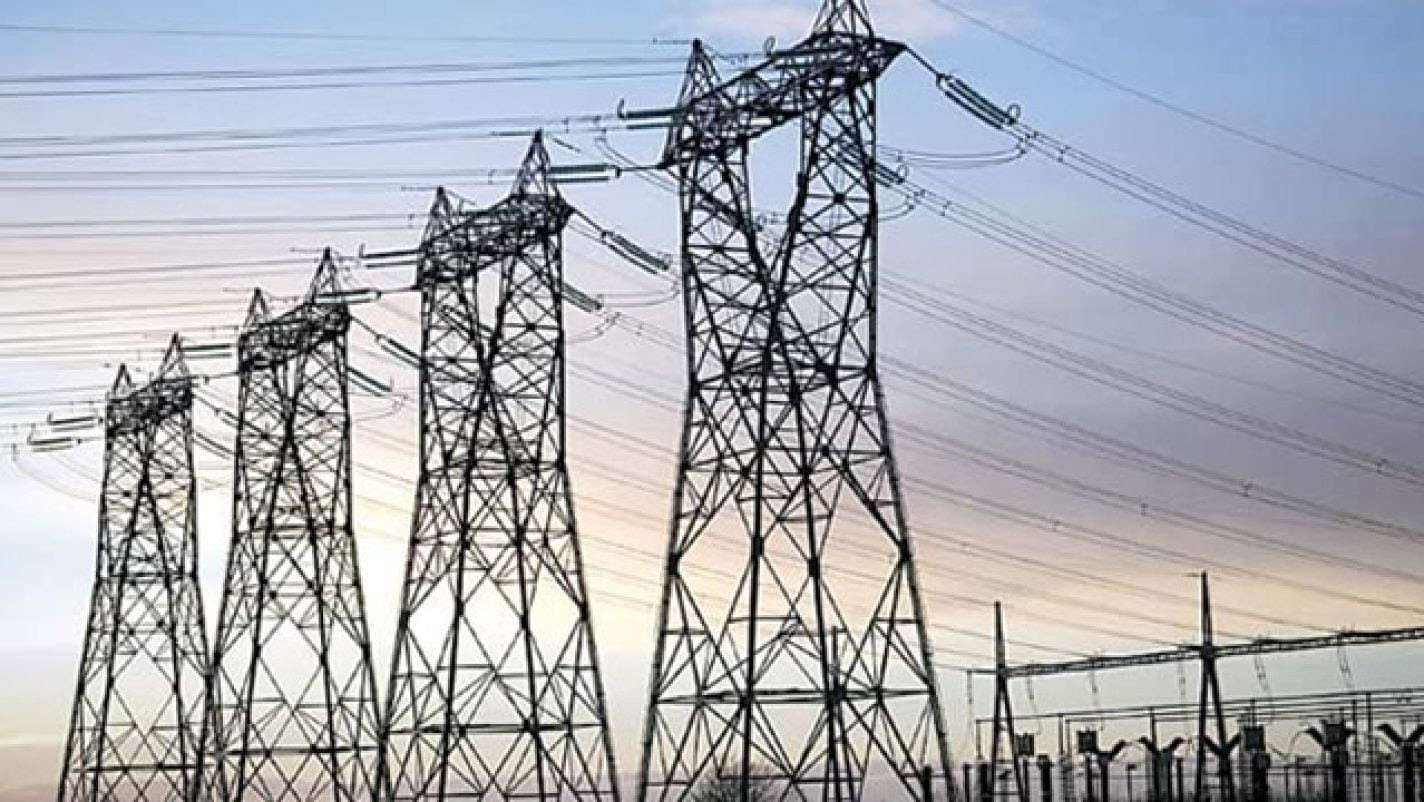
The Nigerian Academy of Engineering (NAE) is backing reforms in the power sector. They are asking the federal government to use stronger engineering solutions to tackle Nigeria’s infrastructure problems. This includes issues with electricity supply, climate resilience, and urban sanitation.
The president of the academy, Rahamon Bello, made these comments on Tuesday. He spoke during a press briefing at the Chemical and Petroleum Engineering Complex at the University of Lagos, Akoka. This event was part of preparations for their 2026 main events.
Mr Bello mentioned that the academy spent the last year working as a technical think tank. They produced policy papers and engaged with the government about what he called “structural challenges” in important sectors of the economy.
“The Academy exists to provide data-driven, independent technical expertise to the nation,” Mr Bello said.
He also shared that the academy recently reviewed the 2024 collapse of the Alau Dam in Borno State. The review found that structural and engineering failures played a big role in the disaster.
The findings were sent to the Borno State Government and relevant federal agencies. Alongside this, they included recommendations for rebuilding, early-warning systems, and long-term protections against climate-related infrastructure failures.
When it comes to the power sector, Mr Bello revealed that the academy held a special forum in April 2026. They looked at Nigeria’s growing electricity supply gap and called for urgent financial and structural reforms.
He mentioned that the academy supports the federal government’s Presidential Power Sector Financial Reforms Programme. This includes plans to issue specialized bonds to pay off gas supply debts and improve cash flow in the sector.
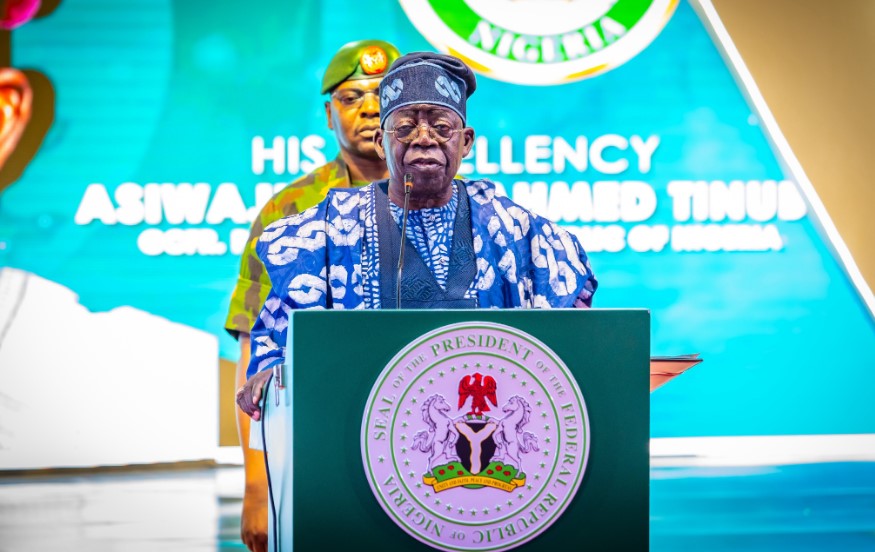
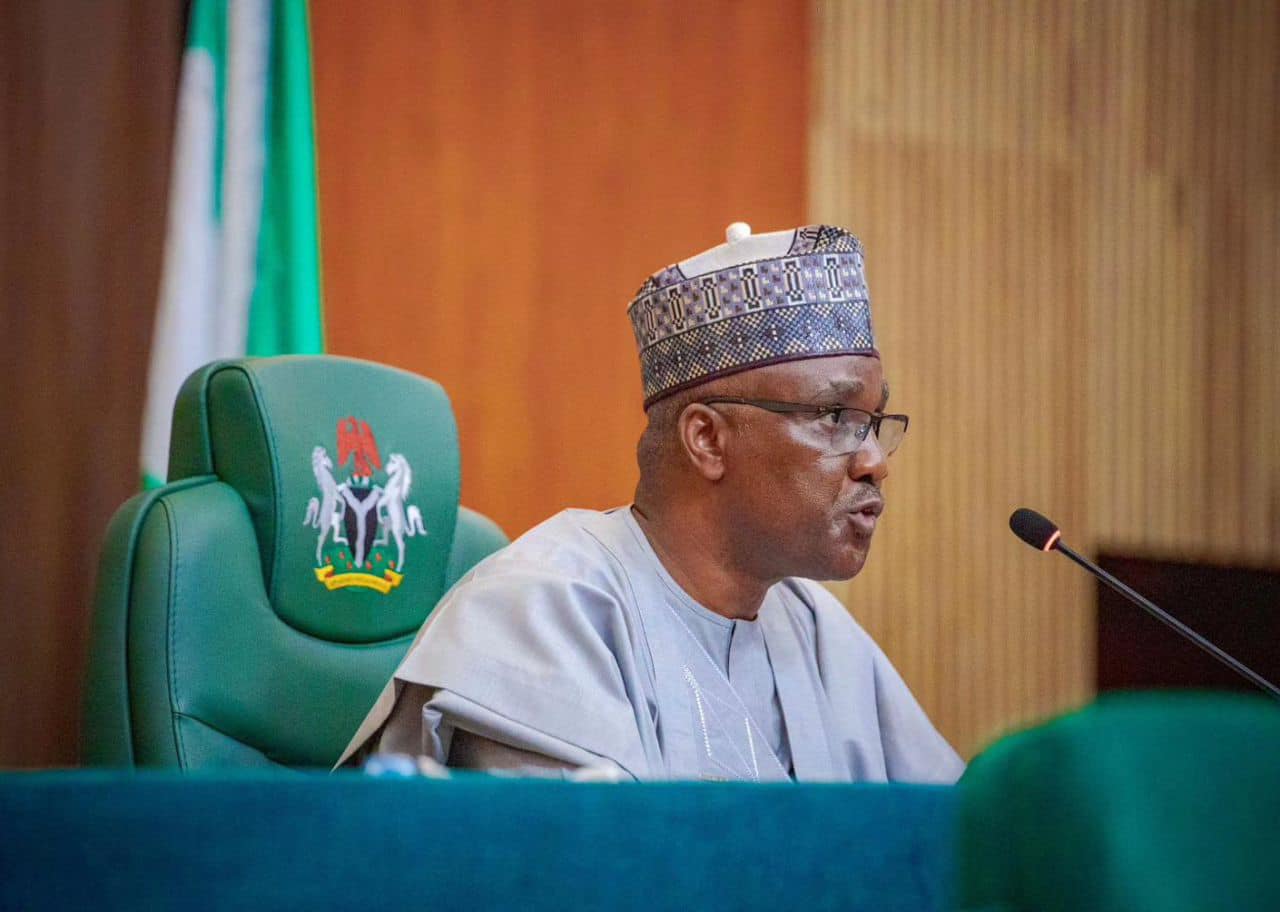
The academy also wants the government to speed up the implementation of the Presidential Power Initiative. This initiative aims to boost grid capacity to 25,000 megawatts and increase investment in solar, hydro, and other renewable energy sources.
Mr Bello raised alarms about Nigeria’s urban wastewater management system. He referred to findings from a May academy lecture. The findings showed that less than 20 percent of urban wastewater is treated properly.
He said this situation poses serious risks to public health and environmental safety. He warned that sanitation infrastructure should not be seen as a minor issue in development anymore.
In June, the academy hosted a climate change webinar. The event featured the United Nations Deputy Secretary-General, Amina Mohammed, along with officials from the National Council on Climate Change and the Lagos State Government.
Mr Bello pointed out that talks at the forum stressed the important role of engineers in helping Nigeria meet its climate commitments under its Nationally Determined Contributions.
“We urge the federal government to swiftly adopt these engineering blueprints to safeguard public health, infrastructure and the country’s economic future,” he said.
Drop your comment
No comments yet — be the first to drop the gist 👇