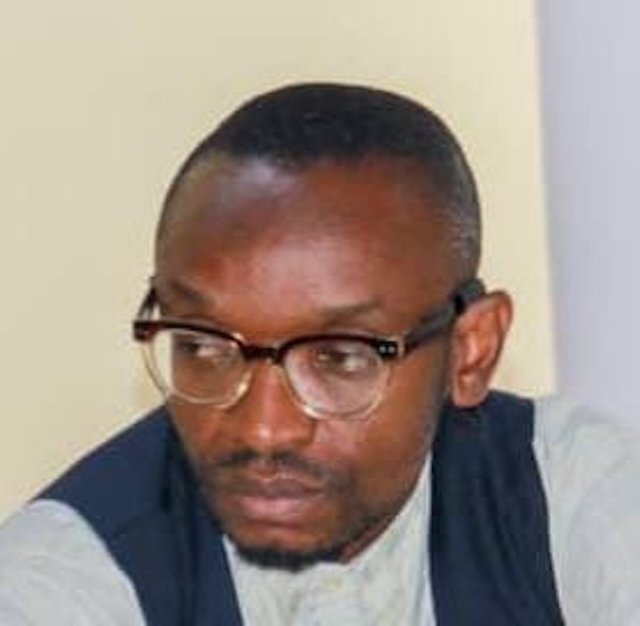
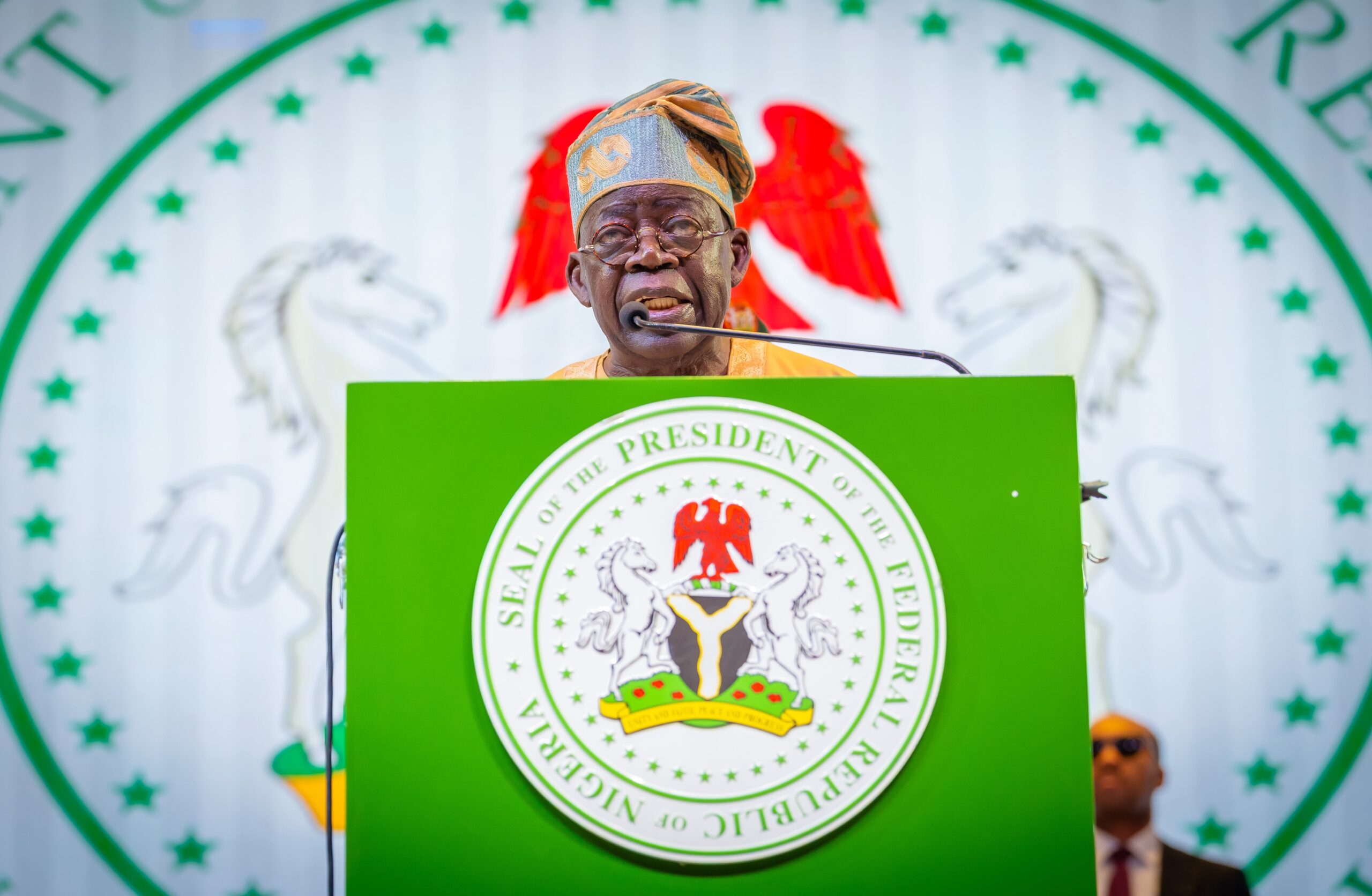
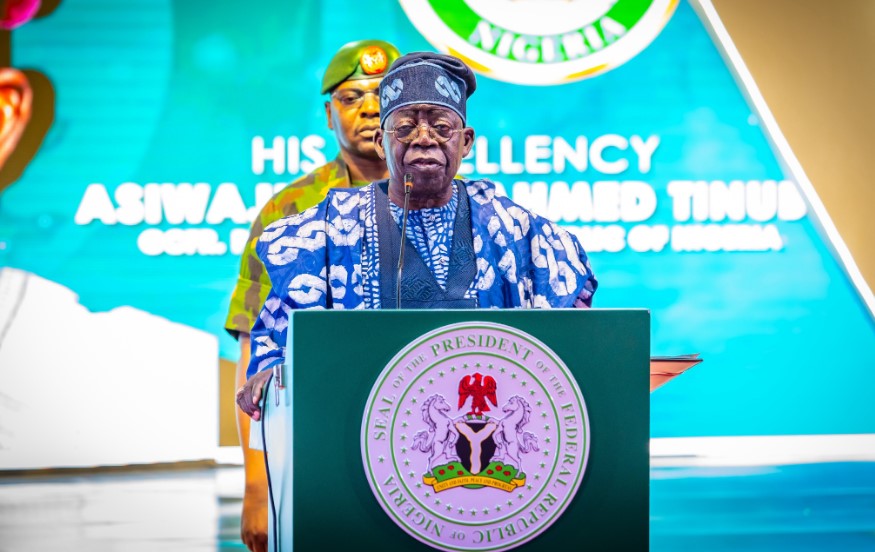
President Bola Tinubu deserves praise for valuing performance over simply changing leaders. Leadership is not just about switching roles at every chance. Sometimes, keeping experienced people and building on reforms is more important than sticking to fixed schedules.
Competence, hard work, innovation, and good leadership naturally attract attention. In public service, where bureaucracy can hide poor performance, exceptional achievements are hard to ignore. This is why President Bola Ahmed Tinubu's choice to give a six-month extension to the Comptroller-General of the Nigeria Customs Service (NCS), Bashir Adewale Adeniyi, has been seen as a deserved reward for good work and a smart move to keep reforms going.
This extension, approved before his retirement date of 31 August, is more than just an ordinary decision. It shows the president's belief that having stable leadership is key to building on past successes and maintaining reform progress. In a time when public institutions are judged by real results rather than fixed terms, rewarding good performance has become a sign of effective governance.
Importantly, this decision is not new or surprising. Past governments have kept high-performing officials on beyond usual timelines when it was needed for stability and reform.
During former President Muhammadu Buhari's time, Ja’afar Ahmed, the then Comptroller-General of the Nigerian Correctional Service (NCoS), received two extensions after he was appointed in 2016. Although he was meant to retire in July 2019, he stayed in position until 2021 to continue efforts to reduce prison overcrowding and ongoing reforms, serving for nearly five years.
Also, President Tinubu recently renewed Brigadier-General Mohammed Buba Marwa's appointment as chairman of the National Drug Law Enforcement Agency (NDLEA) for another five years. Since he took office in 2021, Marwa has led significant drug seizures, arrests of traffickers, and nationwide campaigns against drug abuse. His reappointment ensures that the reform agenda, which many view as transformative, continues.
Similarly, Dr. Ahmed Abubakar Audi, commandant-general of the Nigeria Security and Civil Defence Corps (NSCDC), received another five-year term beginning in 2026 for his work protecting national assets and strengthening the agency. By the end of his renewed term, he will have served the Corps for a decade.
Given this background, the extension for Bashir Adeniyi fits within a well-known practice of keeping skilled leaders to build on reforms and continue progress.
Since he took office in June 2023, Adeniyi has changed the Nigeria Customs Service into one of the most efficient agencies in the country. Under his leadership, Customs has consistently exceeded revenue targets, raising trillions of naira to support the Federal Government’s financial goals and the Renewed Hope Agenda.
His administration has improved anti-smuggling efforts, made trade easier, intercepted illegal arms and drugs, modernized customs procedures, and engaged more with stakeholders. By using strategic communication, technology, and professional leadership, Adeniyi has made the Service a key part of economic growth, border security, and revenue collection.
His success shows an important lesson: institutions do well when talent is allowed to shine.
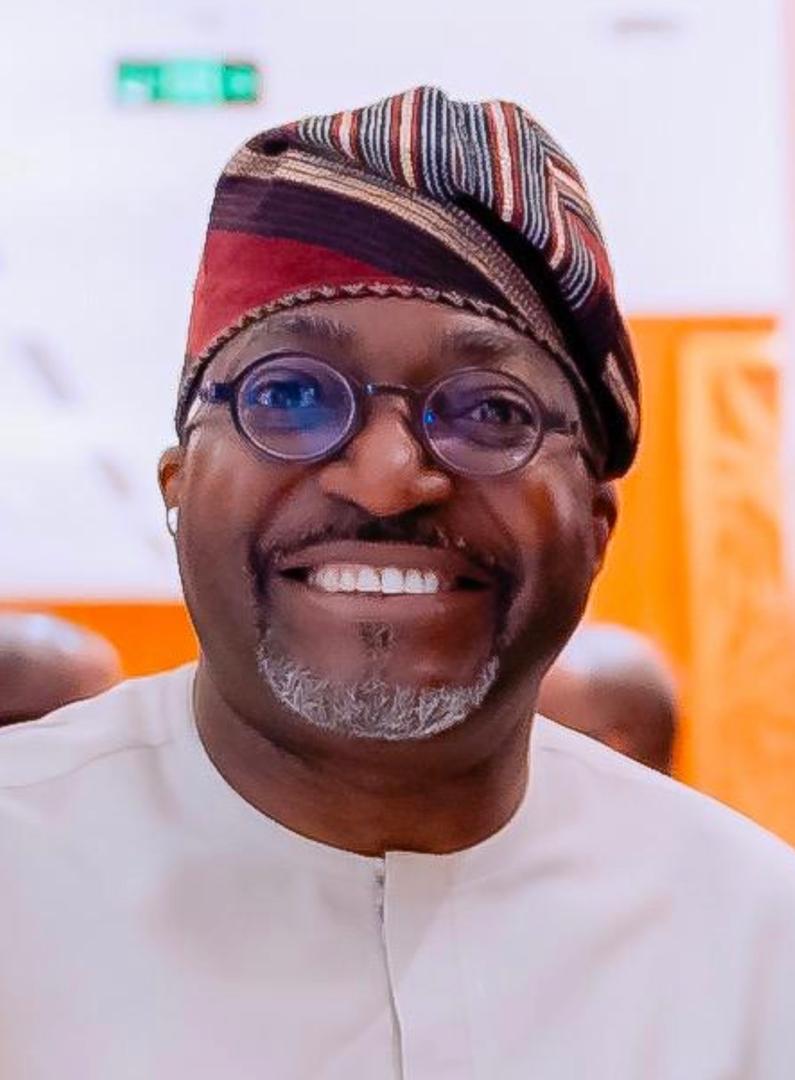
Yet, if rewarding excellence is the main principle, there is another public servant whose quiet but impactful changes deserve attention, the Corps Marshal of the Federal Road Safety Corps (FRSC), Mallam Shehu Mohammed.
Unlike agencies that focus on revenue, the FRSC measures success in saved lives, prevented accidents, and restored public trust. Therefore, their reforms may not always make headlines, but their effects are felt every day on Nigeria’s roads.
Since President Tinubu appointed him, Shehu Mohammed has worked to turn the FRSC into a technology-focused, service-oriented, and citizen-friendly agency. One of his key achievements is speeding up the production of driver's licenses and vehicle number plates.
Long-standing issues like delays, inefficiency, and red tape are slowly disappearing. Better production capacity, improved logistics, and 24/7 operations have greatly enhanced service delivery and public satisfaction.
Beyond these changes, the Corps Marshal has improved road safety campaigns, boosted emergency response systems, increased technology use, and promoted smart traffic management. Under his leadership, the FRSC has used data and digital solutions to tackle road crashes and improve efficiency.
His commitment to staff welfare, training, and professionalism is perhaps even more significant. He understands that an effective organization relies on motivated staff, so he has invested in training and discipline while promoting accountability and service excellence.
His leadership style combines foresight, innovation, and empathy, traits that have earned him respect both within and outside the Corps.
While Adeniyi's reforms have boosted government revenue and trade, Shehu Mohammed's efforts are saving lives, ensuring productivity, and helping national development through safer roads and better transport systems. Both leaders show the government’s focus on talent, innovation, and real results.
The story of public sector reform should not only spotlight agencies that make money. It should also highlight those that save lives, improve public welfare, and enhance the quality of life for citizens.
Road safety is not just a transport issue; it is vital for economic growth, public health, and national productivity. Every crash avoided means lives saved, businesses protected, healthcare costs lowered, and economic losses prevented.
Just as President Tinubu saw the value in extending Adeniyi’s term to keep reforms going, there is a strong case for continuing the progress of reforms in agencies like the FRSC. Institutional change should not stop when capable leaders are delivering results.
History shows many examples. From Ja’afar Ahmed under Buhari to Mohammed Buba Marwa and Ahmed Audi under Tinubu, continuity has often helped sustain reforms and strengthen institutions.
Bashir Adeniyi’s tenure extension is more than just an extension of service, it is an extension of progress.
Likewise, maintaining the momentum of reforms led by Corps Marshal Shehu Mohammed would mean more than just an administrative choice. It would be a wise investment in safer roads, better public services, and stronger national institutions.
President Tinubu deserves praise for putting performance first. Leadership is not just about changing roles quickly. Sometimes, keeping experienced leaders and building on reforms is more important than following strict timelines.
The message from these decisions is clear: merit is important, results matter, and excellence will be rewarded.
This is one of the strong principles of the Renewed Hope Agenda.


Drop your comment
No comments yet — be the first to drop the gist 👇