
For a long time, people have talked about small and medium-sized businesses in Nigeria mainly in terms of money. While access to finance is crucial, funding alone won't push SMEs to the next level. We need to think beyond just money.
Entrepreneurs in Nigeria face many challenges. They deal with high costs, changing customer needs, fast technology changes, and more competition. At the same time, digital tools, regional trade, and new technologies offer fresh chances to grow. Because of these challenges and opportunities, it is vital to build a stronger business ecosystem.
The main question is not whether Nigerian SMEs can survive anymore. Many have shown they can cope with tough times and changes in the market. Now, the real question is if they can grow sustainably and compete in a world that is more connected.
The focus should be on creating better business ecosystems that support SMEs.
Across the globe, the best ways to assist SMEs go beyond just lending money. They emphasize creating systems that link businesses to infrastructure, technology, markets, skills, networks, and funding. Businesses succeed not just from getting cash but also from operating in environments that help them be productive and grow. Nigeria should adopt this approach.
There are four key areas to prioritize for building this kind of ecosystem for Nigerian SMEs.
Infrastructure that Boosts Productivity
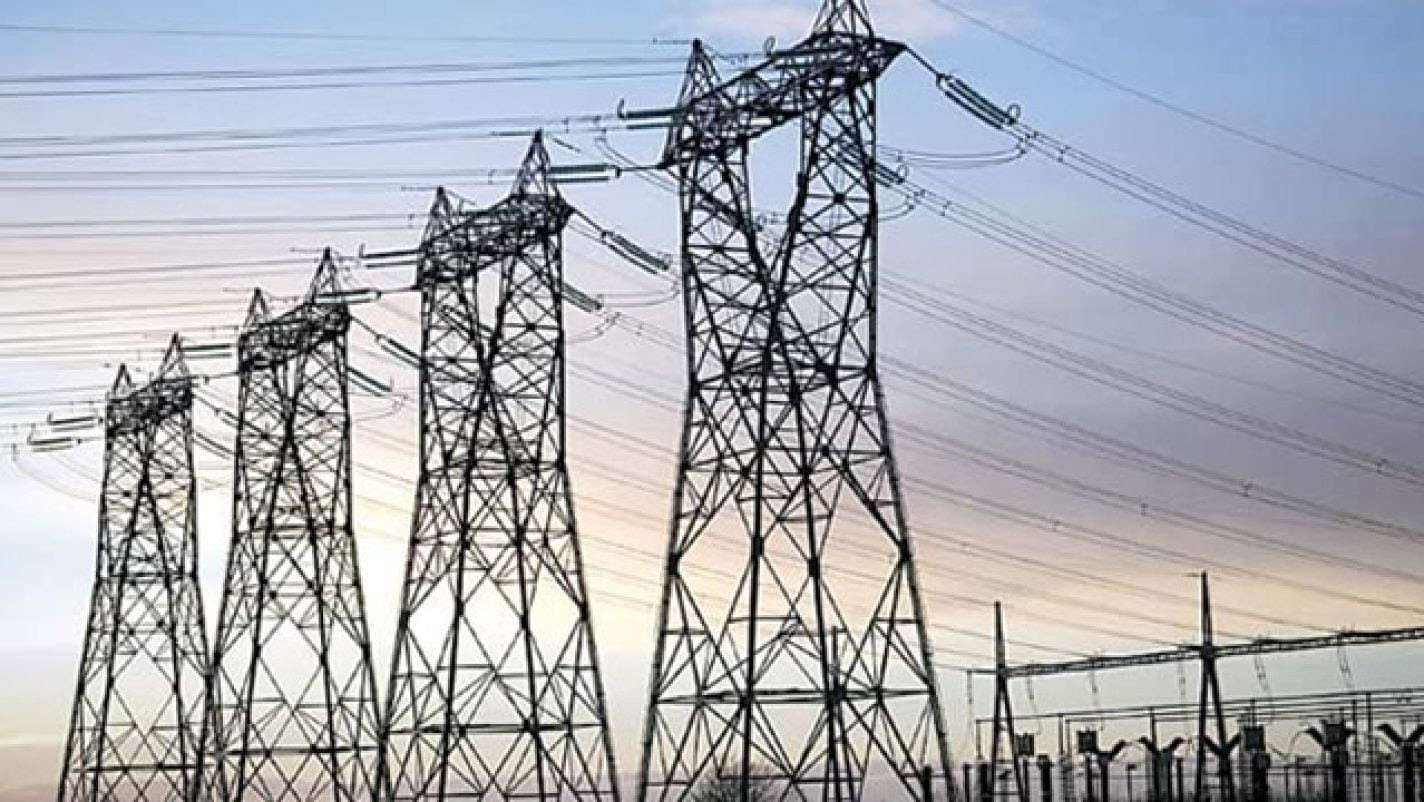
Infrastructure remains a major hurdle for business growth in Nigeria. Reliable electricity, good transport, and strong internet are not just luxuries, they are essential for businesses to compete.
For many SMEs, the cost of energy eats up a big chunk of expenses, hurting profits and limiting growth. That is why affordable and reliable energy is now an economic necessity, not just an environmental concern.
More private companies are investing in renewable energy. For instance, our partnership with the Rural Electrification Agency helps set up mini-grids that give businesses and communities better access to power. By using cheaper diesel, businesses can operate more efficiently, save costs, and become more sustainable. Infrastructure is more than just energy. Better transport, wider internet access, and strong digital connections will determine which businesses can reach more customers and join the digital economy. All of these factors together make businesses more competitive.
A New Competitive Landscape
Technology is changing how businesses operate, compete, and grow. Now, a small business in Aba, Kano, or Lagos can sell products across Nigeria and even overseas using digital platforms. Still, many SMEs struggle with manual processes, disconnected payment systems, and limited access to digital tools. Not everyone can take advantage of these opportunities.
The SMEs that will do well in the future will be those that embrace technology not just to run their businesses, but also as a key part of their growth strategies.
Digital payments, online stores, cloud systems, data analysis, and artificial intelligence are helping businesses operate more efficiently, understand their customers better, and grow faster. Because of these changes, banks need to do more than just provide services, they should assist businesses in using technology. For example, FCMB Collect combines payments, collections, and inventory management to help businesses operate better and keep track of their finances.
Building Skills for Growth
Having the right skills is just as important as having enough money.
Many SMEs have great ideas and see market opportunities, but often lack the management, financial, and tech skills needed for long-term success. Today, how well business owners make smart choices, use technology, and adapt quickly is becoming more important. That is why having the right skills is as crucial as having enough funds.
Business owners need to get better at managing finances, leading teams, selling online, making data-driven choices, preparing for exports, and using new technologies like artificial intelligence. These skills will set apart businesses that remain small from those that expand successfully.
Training programs play a key role in helping SMEs grow. Through workshops, masterclasses, and our Business Zone learning platform, FCMB provides entrepreneurs with practical knowledge to build stronger, more resilient businesses. As technology and markets keep changing, ongoing learning will be a big plus, making these programs even more valuable.
Rethinking How Finance is Accessed
Finance is still very important, but how it is provided is changing.
Traditional lending methods often leave out businesses that lack formal records or traditional collateral. But new tools like data analysis, digital platforms, and different ways to check credit are helping more businesses access finance. This is making finance more inclusive.
Also, working with development finance institutions and sharing risks is making it easier for businesses in key sectors like agriculture, healthcare, education, renewable energy, and women-led enterprises to get affordable financing.
The future of SME finance will rely not just on how much money is available, but on how wisely it is used. Financing should meet the needs of different sectors, business stages, and models. This way, finance will have a bigger impact.
The Future is About Ecosystems
Nigeria’s SME sector is still one of the country’s biggest economic strengths. Its ability to create jobs, encourage new ideas, and support growth for all will shape the country’s future.
But the next phase of SME growth will not be about who gives out the most loans. It will be about who can create the best support system for entrepreneurs. This change is already happening.
Businesses need access to markets, technology, infrastructure, knowledge, networks, and capital all working together as one system. When these elements come together, SMEs can not only survive tough times but also grow, innovate, and compete globally. In simple terms, the ecosystem needs to function as a whole.
At FCMB, our experience with businesses across various sectors has strengthened our belief that sustainable growth requires more than just financing. It needs to create opportunities for businesses to access knowledge, technology, markets, partnerships, and affordable solutions that enhance their competitiveness.
The future of Nigeria’s economy will depend on how effectively we empower entrepreneurs to succeed. Achieving this goal requires a collective commitment to building an ecosystem where businesses are funded but also equipped to grow, innovate, and create lasting value. When SMEs succeed, communities thrive, jobs are created, and economies grow. Building that future must be a national priority.


Drop your comment
No comments yet — be the first to drop the gist 👇