Over the weekend, I went to my children’s graduation ceremony. I noticed that our national issues have also affected private schools. While wasting time on protocols is common at government events, it was disappointing to see it happening at a private school ceremony.
At a typical three-hour government event, half the time goes to acknowledging important people and listing their past jobs. Ironically, speakers hardly mention how these people made a difference in education or any other area during their time in office.
Having been part of many public events, I often tell people not to invite high-ranking government officials. My reasons are clear. First, they always arrive late. It’s not because they are busy with important work. Instead, lateness makes them feel important. Second, they want to be addressed like they have traditional titles. When they are mentioned, it’s always about their roles, not their contributions. It’s a long list of “former-this” and “ex-that” just to boost their profiles. Achievements? Impact? Nobody knows. Yet, if they were really good at their jobs, Nigeria wouldn’t be in such a mess. Finally, they always leave before the event is done, wearing their busyness like a badge of honour. Busy doing what?
While top politicians and public officers might look good at events, a serious occasion like a school graduation is not for unserious people. This event should inspire the youth, not be a platform for people with corruption cases to talk about honesty and integrity. This hypocrisy only confuses young minds.
This experience made me think about where this obsession with protocols comes from. It seems every speaker feels the need to repeat long lists of greetings. I have seen officials walk out of events because they were not “properly recognised” or because the order of precedence was wrong. I once hosted a United Nations event. A woman representing the INEC chairperson claimed she wasn’t addressed correctly. I had to step off the stage during a break to calm her down. At that same event, a junior officer from the Federal Inland Revenue Service (FIRS) walked out because his boss wasn’t recognised, and a representative from the Office of the Vice President did something similar. With all the serious problems Nigeria faces, I always wonder how we have so much time to worry about “following protocol” and making sure “all protocols are duly observed.”
Anyway, to the graduating classes of 2026 across Nigeria, who might have seen similar things, please remember this: the current political leaders should not be your role models. A society does not go downhill just because bad leaders rise. It goes downhill when young people start to confuse titles for wisdom, privilege for achievement, and public recognition for true service. If you adopt their values without thinking, you will also inherit their failures.
A Google search shows that the culture of “recognising” public servants and politicians at Nigerian events comes from a mix of four different eras:
- Pre-colonial Traditions: In the past, hierarchical societies like emirates and kingdoms often started public meetings with formal acknowledgments and praise to show authority.
- British Colonial Bureaucracy: The colonial government brought in a strict “Order of Precedence.” This mixed British rules with local governance, creating a double layer of required status at public events.
- The Military Era: During military rule, there was a demand for total respect for authority. As VIP lists grew too long, the phrase “all protocols observed” came up as a way to save time and avoid political snubs.
- Modern Political Patronage: Today, in our democratic era, public recognition and a place at the “high table” show a politician’s power and status in the community.
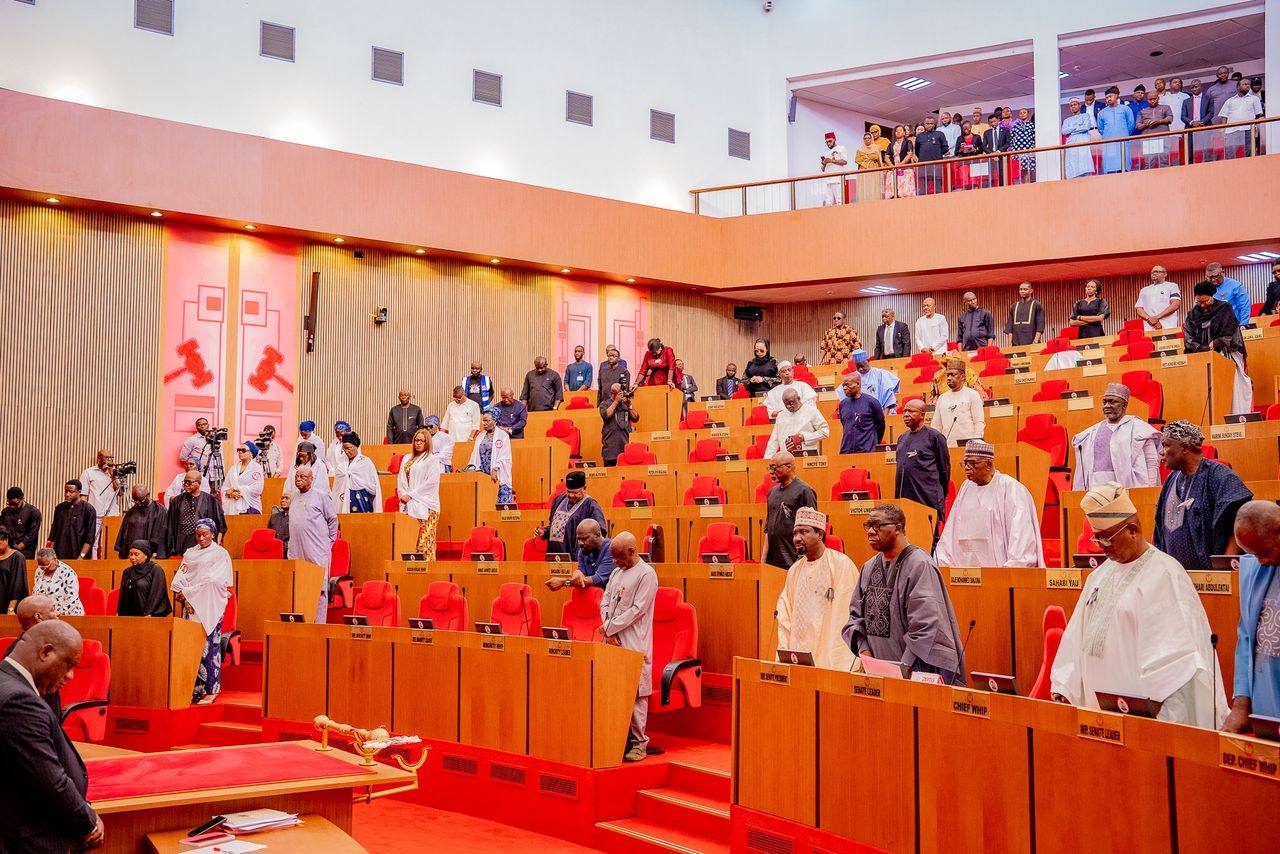
These points show that real governance cannot mix with such superficiality while real problems need solving. It is time we moved away from useless colonial and bureaucratic practices that add no value to our country. This focus on titles over real accomplishments is exactly why our political class is so addicted to power without delivering real results.
Anyway, to the graduating classes of 2026 across Nigeria, who might have witnessed similar displays, please remember this: the current political class should not be treated as models for your future. A society does not decline just because bad leaders rise. It declines when young minds mistake titles for wisdom, privilege for achievement, and public recognition for public service. If you adopt their values uncritically, you will inherit their failures.
A nation relies on what the ancients called civic virtue. This means that public office is a duty of service, not a privilege. When titles are not linked to real achievements, and protocols replace real work, authority becomes empty.
The future of Nigeria will not be built by those who chase titles. It will be built by those who value substance, character, skill, and service. If you follow the empty rituals of today’s leaders, there may be no respectful country left for you to inherit.
It becomes a form of self-importance, where leaders demand respect for who they are instead of what they have done. If you adopt these values and learn to focus on noise rather than real impact, you will have no country to inherit.
Though I know many of you may want to japa, make sure your character is your true title. Let your real impact on society be your main protocol. Congratulations.



Drop your comment
No comments yet — be the first to drop the gist 👇